Staff Reports
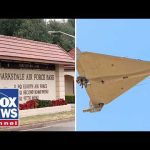
Tensions in the Middle East are on the rise as reports surface about an Iranian missile and drone attack on an air base in Saudi Arabia, leaving at least 12 American service members injured, with two in critical condition. This incident, part of the ongoing conflict dubbed “Operation Epic Fury,” highlights the volatility of the region and the stakes for U.S. forces stationed there. The situation is further complicated by the entrance of the Houthis, a group from Yemen, into the fray, as they launched missiles toward Israel. Fortunately, those were intercepted. However, the threat they pose to shipping routes and regional stability remains a significant concern.
In a recent meeting with G7 counterparts, U.S. Secretary of State Marco Rubio indicated that military operations could extend for another two to four weeks—longer than initially anticipated. This extension suggests that the current situation may be more precarious than the administration previously believed. Rubio also mentioned U.S. dialogue with Iran, albeit indirectly, due to the complexities involved in mediating the ongoing conflict. The U.S. strategy appears to involve not only immediate military objectives but also long-term maritime security efforts in the Strait of Hormuz post-conflict.
Meanwhile, the Department of Defense reports that air superiority over Iran continues to be a key focus. Israeli forces have recently carried out successful strikes on Iranian nuclear facilities, targeting sites that are crucial for weapon development. The message from the administration underscores their confidence, stating that U.S. and Israeli forces can operate with relative impunity given the destruction of Iranian ground-to-air defenses. As discussions of future military strategies unfold, there remains a robust target list, indicating continued operations ahead.
On the economic front, the president has made bold predictions about the U.S. economy rebounding once the current conflict subsides. He suggests that when resolutions take place, the economy will “be like a rocket ship.” Interestingly, some analysts point out that while oil prices have spiked due to the unrest—hovering around $100 a barrel—prices remain comparatively lower than during previous administrations, thanks to the policies promoting U.S. energy independence. This context adds layers to the discussion about how the conflict could shape global energy markets moving forward.
However, the markets have been reacting to the uncertainty surrounding military actions. Rumors of potential troop deployments have left investors jittery, resulting in declines across major stock indexes. Analysts note that while uncertainty breeds volatility, the long-term outlook could be positive if geopolitical tensions ease. Adjustments in oil supply and rates could lead to a significant correction in prices, thus potentially stabilizing the economy.
As the situation continues to evolve, one thing is clear: the U.S. remains committed to maintaining security in the region. The administration is working to ensure that allies collaborate on securing vital shipping lanes once hostilities conclude, demonstrating a strategic approach to long-term stability. While the immediate future may seem perilous, the beliefs held by key figures in the administration suggest that resolution and recovery are within sight. With a focus on decisive action and international cooperation, the hope is that both economic stability and peace can soon reign in this tumultuous part of the world.