Staff Reports
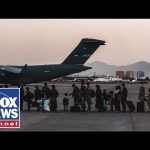
Recently, the spotlight turned to the serious concerns surrounding the vetting process for Afghan nationals who entered the United States during the chaotic withdrawal from Afghanistan. A Tennessee congressman, known for his strong convictions, participated in a discussion that shed light on just how critical this issue has become. As the conversation unfolded, it became clear that there were significant flaws in how these individuals were screened before being welcomed into the country.
The congressman pointed out that many of these Afghan nationals had worked alongside U.S. forces and the CIA-backed military during the tail end of the war. However, he argued that the vetting process under the Biden administration was akin to leaving the door wide open for potential threats. According to him, reports suggested that Taliban members might have infiltrated the United States during this time, and the congressman was adamant about the fact that we are now left with a ticking time bomb—people who could pose serious risks while blending into our communities.
One of the more startling points raised was the potential for these individuals, once admitted, to be easily influenced or coerced into malicious activities. The congressman highlighted the vulnerability of those who might feel financially strained and could be approached by the Taliban or other enemies that might offer them money for nefarious purposes. This raises alarm bells about the effectiveness of the vetting process—not only were these individuals allowed in without thorough checks, but the nature of their integration into American society could make them susceptible to manipulation.
Acknowledging that Democrats and some Republicans have dragged their feet on this issue, the congressman stressed the urgency of swift legislative action. He suggested that while Congress might be debating and drafting letters, decisive executive actions were crucial to containing the situation. He likened the current immigration issues to trying to patch a leaking boat while ignoring the water already inside, emphasizing that we need to act now rather than waiting for the political gears to turn slowly.
As the dialogue shifted towards the future, the congressman expressed his belief that investigations would be needed to look into the flawed Operation Allies Welcome, which aimed to resettle Afghan allies. He made it abundantly clear that both parties have contributed to the current chaos, with a distinct warning that the very fabric of American society hangs in the balance. If left unaddressed, he offered a dire prediction of losing the very essence of what the nation stands for.
In the midst of these serious discussions, the congressman also touched on the upcoming special election in Tennessee, using it as a rallying point for concerned voters. He noted that while Democrats might have their own agenda and resources, Republicans must remain vigilant and engaged to ensure that the values and traditions of their community are upheld. With impending elections, he raised a clarion call for all to pay attention and take action, all while juggling the serious undertones of national security with classic Southern charm and humor. The conclusion was clear: when it comes to issues of security and governance, every voice—and vote—counts immensely.