Staff Reports
In Minneapolis, a spotlight is shining on the activities of law enforcement as the nation grapples with complex immigration issues. Recently, Tom Homan, the so-called “border czar,” shared some startling statistics, revealing that around 2.5 million individuals have exited the United States due to deportations and self-deportations. Homan noted that out of these, over half a million were removed through physical deportations. This alarming number raises eyebrows, especially considering that approximately 70% of those arrested by law enforcement are criminals. This indicates that our communities are being made safer as public safety threats are arrested and removed.
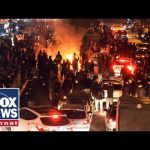
The scene in Minneapolis is particularly hectic. It’s not just about the arrests; it’s also about the complications that arise when extra law enforcement is brought into play. In recent operations, there has been an increase in officers on the streets, which is crucial for keeping citizens safe. Homan emphasized that this tough job involves not only apprehending criminals but also addressing the agitation and disruption caused by activist groups. These groups have been causing chaos, often attempting to impede law enforcement from doing their jobs.
Homan mentioned that if people want to block law enforcement actions, they should think again. There are serious repercussions for anyone who crosses that line. He revealed that there is a team specifically focused on arresting those who disrupt law enforcement activities. These so-called “agitators” are facing increased scrutiny, and as Homan put it succinctly, these arrests will be made public to foster accountability. Despite the danger associated with this work—evidenced by threats against his family—Homan and his team are determined to continue their mission.
In a suggestive twist, an investigation uncovered an instruction manual from the anti-ICE group Minnesota ICE Watch, led by activist Renee Nichole Good. This manual outlines tactics to disrupt federal law enforcement duties, including how to physically intervene during arrests. It instructs individuals on how to break free from the grip of an officer, which is not only questionable but outright illegal. Such instructions, which involve group swarming to obstruct officers, can result in serious legal consequences. Homan expressed his shock and concern over this deliberate attempt to undermine the authority of federal law enforcement.
Moreover, it was disclosed that some of these protests might be financed by coordinated efforts to challenge ICE operations. The implications of such organized disruption could lead to a doctrinal shift in how the government approaches these issues. Homan assured that investigations rooted in the Department of Justice are underway, pledging that accountability will be served to those involved in financing and facilitating illegal activities against law enforcement. As the situation in Minneapolis continues to unfold, it serves as a microcosm of larger conflicts over immigration, law enforcement, and community safety in America.