Staff Reports
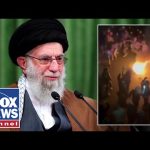
In the heart of the Middle East, tensions simmer as Iran faces mounting internal and external pressures. Reporters are buzzing about the protests that erupted earlier this month, a cry for change against a regime increasingly known for its heavy-handed tactics. This story has drawn the attention not just of Iranians but also of the United States, with speculation swirling around potential U.S. actions against the Iranian leadership.
As the situation develops, the internet blackout that’s gripped Iran for nearly two weeks is making communication nearly impossible. Yet, some brave souls are still managing to get the word out through creative means. Starlink and foreign SIM cards are the lifelines for the outside world, providing glimpses into a country where security forces have been accused of turning protests into a war zone. Reports are flooding in from doctors on the front lines of this unrest, who face overwhelming numbers of injured protesters in hospitals. They describe scenes that sound more like a battlefield than a peaceful demonstration. Many believe the intent of the security forces was not merely to disperse crowds but to maim and incapacitate anyone daring to rise against the regime.
Among the key players in this unfolding drama is the exiled Prince Reza Pahlavi, who has passionately called on Iranians to stand up for their rights. The government, aware of the discontent, is not sitting idle either. In a bid to maintain control, military forces are patrolling neighborhoods, blaring war anthems to intimidate protesters. This is not merely an internal struggle for Iran; it has ripple effects reaching to Israel, with reports indicating that U.S. troops are ramping up their presence in the region to counter any possible Iranian threats.
Rumors abound about the potential for military action from the United States, as fighter jets have reportedly been sent to Jordan. U.S. aircraft carriers are also on the move, and military installations in places like Qatar are bracing for anything that may come. Concerns about Iran launching new attacks against Israel—supported by their history of missile strikes—have put both nations on high alert. With a death toll from the protests estimated between 12,000 and 16,000, the world is left questioning how long the regime can maintain its grip on power.
Despite the high tension, life in Israel continues with a certain normalcy. People go about their daily business, hold social gatherings, and enjoy leisure activities, demonstrating an intriguing resilience. But they aren’t oblivious to the looming threat of conflict with Iran, which puts a damper on the atmosphere. Interestingly, American action isn’t just a question of when; it’s what form it might take—economic sanctions, military interventions, or perhaps a calculated tactical strike.
Meanwhile, the folks at home are left wondering: how involved should the U.S. get? The talking heads on various platforms suggest that for many in the U.S., Iran’s behavior poses a threat, not just to Israel but also to broader stability in the region. President Trump’s previous actions against Iran’s nuclear ambitions highlight a willingness to take a hard stance, suggesting that the current administration is keeping all options on the table for future responses. This complex tapestry of conflict, hope, and uncertainty will continue to unfold as the world watches closely, waiting for the next move in this high-stakes game of geopolitical chess.