Staff Reports
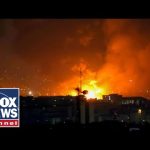
Tensions are once again boiling over in the Middle East, with Israel and Iran exchanging strikes in a conflict that’s anything but quiet. Recent reports indicate that a flurry of Iranian missiles was intercepted over Tel Aviv, creating quite the spectacle as explosions could be heard in the distance. The situation escalated dramatically within just a few hours, as black smoke was seen rising from the horizon— a sign of either a direct impact or debris falling from intercepted drones and missiles. The ongoing barrage— the first in six hours— highlights the continuing hostilities between Israel and Iran.
Back in Tehran, things are equally intense. Just hours after the missile exchange, Israel conducted a series of air strikes targeting Iranian oil facilities. Smoke and flames erupted from the skyline, drawing many to pause and stare at the debris. Israel’s Prime Minister Benjamin Netanyahu is not holding back, vowing to further target the Iranian regime’s capabilities. He expressed explicitly that these operations are just the beginning, with plans to continue dismantling Iran’s military structure, coaching their ambitions to wiggle out of global sanctions.
However, it’s not just Israel on the offensive. Despite the resistance, Iran remains defiant in the face of retaliation. Their President, Masoud Peskian, recently asserted that the Iranian people would not back down in the face of what they characterize as oppression and aggression. The words from Tehran emphasize a sense of national pride and a determination to stand their ground, even amidst an ongoing volley of attacks.
Meanwhile, across the ocean, U.S. leaders are reacting as well. President Trump made clear his stance on recent mediation talks, boldly stating that there would be no compromise, only a complete surrender from Iran. This unwavering position reflects a broader sentiment among U.S. officials who recognize the stakes involved, with attacks on U.S. military forces and allies in the region being a major concern. As tensions flare, it seems that both sides feel the weight of the situation more than ever.
The implications of these military exchanges extend beyond just the battlefield. The energy sector is bracing for potential chaos as questions loom about Iran’s oil infrastructure. Historically, in times of warfare, desperate actions can occur, leading to decisions that could impact global oil markets. The conversation surrounding energy stability will be pivotal as the conflict continues, especially following Qatar’s recent shutdown of liquefied natural gas production for the first time in 30 years. The volatility of energy prices means consumers might feel the pinch at the pump, while both parties remain firm in their military objectives.
As the conflict renews and escalates, it’s clear that everyone is watching closely. The stakes are high, the risks are palpable, and while leaders engage in a high-stakes game of military might and geopolitical maneuvering, the world holds its breath, hoping that a resolution can be found before that proverbial pot boils over. Only time will tell how this conflict unfolds, but one thing remains certain: the Middle East is a region that consistently keeps the world guessing.