Staff Reports
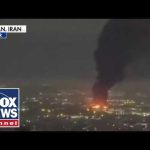
As the conflict in the Middle East intensifies, Israel’s Operation Epic Fury enters its third week with no signs of slowing down. Iran, facing substantial military pressure, is in the crosshairs of a coordinated offensive launched by Israel and the United States. Reports from Tel Aviv reveal a significant escalation as the operation targets various military facilities in Tehran and throughout western Iran. The skies are now familiar with the sight of black smoke rising above key sites, signaling the relentless commitment to dismantling Iran’s missile production capabilities and retaliatory threats toward its neighbors and U.S. allies.
The latest updates indicate that the strikes have yielded a striking decrease in Iran’s missile and drone inventory. The U.S. Central Command reports that thousands of strikes have taken place since the conflict began. President Trump has chimed in, asserting that Iran’s missile count has drastically diminished, hinting at the crumbling state of their military capabilities. He highlighted that the continual bombardment has severely impacted their ability to produce and deploy missile systems. While the fire has lessened, some incoming missile threats still target central and northern Israel, necessitating ongoing vigilance.
Israel’s military goals during Operation Epic Fury extend beyond mere retaliation. While they are not aiming to topple the Iranian regime outright, the Israeli Defense Forces (IDF) are working to create conditions that enable the Iranian people to reclaim their country from what many see as a oppressive and terror-driven regime. This nuanced strategy reflects a deep understanding of the regional dynamics at play, especially as U.S. and Israeli forces prepare for potential expanded operations against Hezbollah, a crucial Iranian ally in the region.
The IDF has recently moved troops into southern Lebanon on what they describe as a limited ground operation, but indications suggest that this might be just the beginning. Reports speculate that as many as 450,000 Israeli reservists could be called up to bolster the IDF’s presence and strength. The focus remains clear: to disrupt Iran’s largest proxy force, Hezbollah, and diminish any threats they pose in the ongoing conflict.
Alongside these military operations, the situation in Iran remains troubling for its citizens, as reports indicate that the government has clamped down on internet access once again. This move is seen as an effort to stifle dissent and prevent civilians from organizing against the regime. While technologies like Starlink have offered a glimmer of hope for communication, the threats to those attempting to connect with the outside world increase daily. With the Iranian leadership confirmed to hold substantial quantities of enriched uranium, the question remains whether this conflict can be resolved without addressing the looming nuclear threat. This tension underscores the complexities of the situation and points toward a future fraught with uncertainty.
As Iran struggles against external pressure and internal unrest, the international community watches closely. Both the U.S. and Israeli administrations are navigating a delicate landscape, ensuring that they tackle the nuclear ambitions of Iran while also supporting freedom-seeking movements within the country. The fate of many hangs in the balance, and while military action has begun to stabilize some regional threats, the ultimate resolution may lie beyond just military might. As the situation evolves, it is clear that the stakes are incredibly high, demanding a careful and calculated approach from all involved parties.