Staff Reports
In the world of politics, reactions can often be as colorful as a fireworks display on the Fourth of July. Recently, a significant action taken by the government has sparked fiery discussions on Capitol Hill, with reactions that split sharply along party lines. While Republicans are high-fiving each other and declaring victory, Democrats are raising their hackles, claiming that the constitutional foundations of our government are shaking beneath their feet.
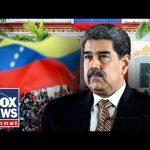
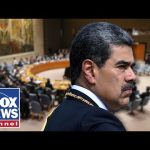
Republican representatives, such as Carlos Jimenez from sunny Florida, have characterized the recent military actions as monumental. Jimenez boldly stated that this move could change the course of history, likening it to the fall of the Berlin Wall. It seems that for some on the right, this military strike isn’t just a current event—it’s a moment when history itself pivots. Senator Tom Cotton, chair of the Senate Intelligence Committee, also joined the applause, reminding everyone that behind the scenes of Venezuela’s interim government lurked vast drug trafficking operations led by the infamous Maduro. The sentiment among many Republicans appears to be that this decisive action is not only necessary but could steer the region away from the grasp of narco-terrorists for good.
However, the Democrats have poured in from the sidelines, waving red flags and questioning the legality of the strikes. Some Democrats, referencing the War Powers Resolution, have expressed concern that the President may not possess the authority to declare war or undertake military operations without Congressional approval. They are vocal about their belief that the power to engage in such dramatic military action should reside with Congress, not with the President’s pen. It’s a classic case of political back-and-forth that highlights the tensions woven into our Constitution.
One Democrat from New Mexico didn’t hold back when she stated that the recent strikes were illegal and accused the administration of stepping out of line. She urged Congress to rein in what she perceives as a rogue operation. Another Democrat, Andy Kim from New Jersey, echoed those thoughts. He recalled attending a high-stakes briefing on Capitol Hill where senior officials assured them the operation was not about regime change – but Kim now feels misled. He articulated concern about the risks these military operations may impose on America, and it’s clear that not everyone is on board with the Republican choir celebrating victory.
The heart of the debate isn’t just about what happened; it’s also about how these actions were communicated—or whether they were communicated at all. Many Congress members have raised eyebrows over whether there was proper notification to the leadership before these military actions commenced. This brings to light an age-old question about war powers as established in the Constitution. Some argue that if these operations were meant to counter terrorism, they could lean on authorizations from the War on Terror passed back in 2001. Yet, others point out the necessity of clarity on such matters as Congress prepares to reconvene.
As the dust from the latest skirmishes settles, the stage is set for a fierce debate in Congress upon their return. The question is no longer just about what happened in Venezuela but rather how far the scales of power should tilt. With the country divided and opinions running hot, one thing is for sure: the political fireworks are just beginning, and lawmakers will have a lot to hash out when they return to Washington. As always, it seems the line between legal and illegal, justified and unjustified, remains as blurry as a foggy morning in a suspenseful thriller.