Staff Reports
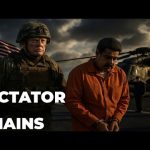
In a dramatic turn of events that could be described as straight out of a thrilling movie, Venezuela’s President Nicolas Maduro, along with his wife, has been captured during a bold military operation overnight. The world is now watching as the spotlight shifts to New York City, where Maduro is expected to arrive for an emergency meeting that has rattled the nerves of not just political leaders, but everyday citizens too.
As the news broke, the reactions began pouring in. Among the first to voice his opinion was New York City’s own newly elected Democratic Socialist leader. He quickly took to social media, expressing his outrage over what he referred to as a unilateral act against a sovereign nation. His message was clear: attacking another country is not just a breach of international law, but it also carries ramifications even for New Yorkers, many of whom are proud Venezuelan immigrants seeking stability and a better life.
The United Nations, the stage for high-stakes global diplomacy, is buzzing with activity. The UN Secretary-General echoed the sentiments of concern, cautioning that such military strikes set a dangerous precedent for future international relations. This statement comes amid fierce condemnations from various nations, with Russia particularly vocal, labeling the actions as unnecessary aggression and insisting Maduro was a legitimately elected leader. It seems like an episode of a political soap opera.
In stark contrast, U.S. officials are pushing back aggressively against any claims of legitimacy regarding Maduro’s governance. They firmly maintain that he is a fugitive from American justice, leaving little room for debate. This move is not just about one leader; it is about sending a strong message to governments that engage in corruption and tyranny. As the emergency UN Security Council meeting is set to unfold with all key players in attendance, tensions are running high, and the stakes are even higher.
As the world awaits further developments, many are left pondering the implications of this military operation. Will it lead to lasting change in Venezuela? Will it unite or further divide nations across the globe? With so many unanswered questions, one thing is clear: the situation in Venezuela and the recent actions of the U.S. are sure to spark debates and discussions for months—or even years—to come. While the international community may be divided, one thing is certain: the world is watching and weighing in on this monumental chapter in history.