Staff Reports
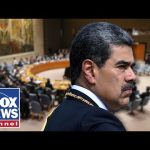
In the world of international politics, big moves can leave lasting impressions. Recently, former Secretary of State Mike Pompeo shared insights on the ongoing turmoil in Venezuela and how it ripples through the global stage. With the ousting of Nicolás Maduro, a leader often seen more like a bad villain in a movie than a legitimate head of state, the stakes have never been higher. Pompeo asserted that Maduro’s removal heralds significant implications for adversaries like Russia and China, especially since they backed the now-fallen regime. It’s almost like picking the wrong horse at a race, and, as it turns out, they didn’t just lose the race; they lost the entire event!
Pompeo expressed skepticism about the complaints from these two powerhouses regarding international law violations. After all, Russia has been strutting around Europe like an unwelcome guest at a wedding, and China hasn’t hesitated to flex its muscles in the Asia-Pacific region. Their recent actions lead one to wonder what level of seriousness they truly maintain regarding global laws. In a real plot twist, they supported a puppet that has now been toppled. This demonstration of American power should make dictators worldwide rethink their alliances and strategies, confirming that the U.S. is prepared to act decisively when national interests are at stake.
Another vital conversation surrounding Venezuela involves the implications of power vacuums and military influence. Pompeo highlighted the need for the U.S. to ensure that any new leaders do not simply replicate Maduro’s regime under a different name. The Venezuelan generals hold significant sway, and their access to power and weaponry could hinder progress for the Venezuelan people. The implications of choosing the right leadership are critical, and the past seconds of chaos can very well determine the future of democracy and freedom in Venezuela.
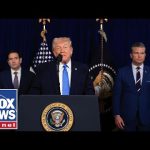
Pompeo’s reflections on how Maduro directly challenges the interests of the United States led to a discussion regarding President Trump’s foreign policy. There seems to be an emerging theme where Trump’s approach is reaffirmed as more than just ‘America First.’ Instead, it’s being characterized as a rejuvenation of the Monroe Doctrine, emphasizing American dominance while keeping meddling foreign powers at bay. This means that the U.S. won’t sit idly by while adversaries jockey for influence in its own backyard. As Pompeo pointed out, America is ready to wield its significant military capabilities when necessary, enforcing the notion that the U.S. will defend its interests without hesitation.
As the situation evolves, observers cannot help but feel a sense of optimism balanced with caution. The Venezuelan people have long suffered, and while change is possible, it requires vigilance to prevent the emergence of another oppressive regime. With Trump’s resolute stance, the message is clear: the world needs to know that meddling will not be tolerated. It’s a tough balancing act, but as history has shown, sometimes difficult choices need to be made to pave the way for hope and freedom. The unfolding narrative in Venezuela exemplifies how the tides of power can shift, bringing either opportunity or peril, and the U.S. is firmly positioned to navigate these tumultuous waters. The message is clear: it is a new day, and America is back in the game, even if that means reminding a few old players that they cannot freely dictate terms on the global chessboard.