Staff Reports
In a turn of events that feels straight out of a political drama, New York City Mayor Zor Ramdani has thrown a hefty budget proposal into the ring, creating quite the stir. With a jaw-dropping budget of $127 billion, the mayor is determined to make waves, and he’s making it clear that his patience is running thin. If the state doesn’t approve tax increases on the wealthy and corporations, he will whip out the heavy artillery—property tax hikes that could soar by nearly 10%. This ultimatum from Ramdani puts Governor Kathy Hok in a precarious position, especially as she faces voters in an upcoming election year.
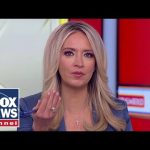
The timing of this saga couldn’t be more delicate. Governor Hok has to balance the demands of her constituents while also weighing the mayor’s considerable demands. Residents across New York City are already grappling with high living costs, and a tax increase on property could lead to even more hardship. Many might think that raising taxes on the wealthy and corporations sounds like a solution, but Jackie D’Angelus from Fox Business points out that it’s not always the answer. She highlights that this tax hike could have dire consequences for everyday people who aren’t millionaires but still depend on affordable housing to get by.
D’Angelus emphasizes that while the mayor’s message is clear, it’s also disconcerting. Elected officials shouldn’t be issuing threats—but that’s precisely what Ramdani has done. His ultimatum is putting immense pressure on the governor, and she is acutely aware that any raise in taxes will likely be a recipe for discontent come election time. The stakes are high, and the clock is ticking loud and clear, yet Ramdani seems to ignore the heat he’s adding to this political pot.
So what are the options? If Governor Hok capitulates and greenlights the tax increases on the rich, it could provide some immediate relief. However, residents are already at their wit’s end with New York being one of the least tax-friendly states in the country. Hammering wealthy corporations sounds tempting, but it’s a path fraught with challenges, especially given that Hok is already navigating her own set of political difficulties. If she sticks to her guns and rejects the idea, Ramdani has firmly indicated that property owners will bear the brunt.
This raises a critical concern: who will bear the brunt of these tax increases? The scenario outlined by D’Angelus hints at a harsh reality—real estate taxes would affect over three million homes. Many of these are not owned by the wealthy elite but by everyday New Yorkers trying to make ends meet. If these residents face increased taxes, the future of many could be bleak, possibly forcing them to leave the city entirely. The dilemma creates a vicious cycle that could worsen the affordability crisis that Ramdani aims to alleviate.
In conclusion, the stakes in New York City are incredibly high as Mayor Ramdani and Governor Hok navigate a complex web of public sentiment and fiscal responsibility. Whether it’s tax increases on the wealthy or a property tax hike that affects countless average citizens, the ramifications of these decisions will echo through the city for years to come. As the mayor and governor work through their political chess match, one thing is clear: the residents of New York City will be watching closely, hoping for solutions that truly work for them, not just the politically powerful.