Staff Reports
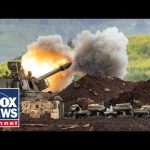
Tensions in the Middle East have ramped up dramatically as President Trump and Israeli forces have taken decisive action against Iran. Late into the night, operations began to strike the Iranian capital of Tehran and various military positions in western Iran as part of what is being called Operation Epic Fury. Eyewitness reports and footage show plumes of black smoke rising from the Iranian capital, indicating that the operation is underway and yielding results. This marks the third week of strikes, and it seems the message from the Trump administration is clear: Iranian aggression will not go unchecked.
Reports indicate that the combined forces of the United States and Israel are making significant headway in dismantling Iran’s military capabilities. President Trump expressed confidence over the weekend, stating that Iran’s missile and drone capabilities are drastically declining. Their stocks of missiles are reportedly low, and with military operations focusing on production sites, the message is getting across loud and clear. Meanwhile, Israeli forces claim to have successfully destroyed up to 70% of Iran’s ballistic missile launchers, but it appears that some missiles are still being launched as evidenced by a recent strike that caused minor damage and injuries in Tel Aviv.
But the concern with Iranian missile strikes doesn’t end there. As tensions rise, Israel is not just looking eastward to Iran but also north toward Hezbollah, the Iranian-backed militant group in Lebanon. Israeli forces have conducted operations against Hezbollah targets and confirm reports of serious backlash, with hundreds of casualties resulting from this escalating conflict. As concerns grow, it is reported that Israel might mobilize up to 450,000 soldiers, signaling a potential expansion of ground operations in southern Lebanon.
On the international front, the Trump administration is moving to secure the critical Strait of Hormuz, a significant waterway for oil transport. Leaders are calling on allied nations to join in a coalition to escort naval vessels through this perilous route, particularly as Iranian threats have loomed over international shipping. While some Gulf nations appear to be considering the offer, others have been less cooperative. The situation remains fluid, and any coalition formed will likely be pivotal in stabilizing the global oil market, which is currently at risk.
Moreover, the recent revelation regarding the Michigan synagogue attacker’s familial connections to Hezbollah raises serious concerns about national security. The brother of the attacker, a Hezbollah commander, raises pressing questions about immigration procedures and the vetting of individuals from high-risk environments. Experts suggest that we must adopt stricter immigration policies to ensure that those entering the United States are genuinely aligned with American values. Vigilance is necessary, they argue, as any failure in this area could lead to dangerous repercussions for our communities.
In sum, the geopolitical landscape is changing rapidly, and as Israel, the United States, and their allies continue to take action against Iranian aggression, the implications on national and international security are substantial. The call for collective action in securing key regions and ensuring stability in oil markets is more critical than ever, and Americans are reminded of the importance of vigilance in safeguarding their communities against potential threats. The next steps for both military and diplomatic actions will ultimately shape the future of peace and security in the region.