Staff Reports
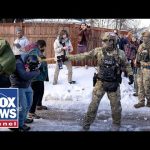
Tensions in Minneapolis have reached a boiling point following a tragic incident involving an I.C.E. agent. The situation has sparked not only outrage but also a significant backlash against immigration enforcement, showcasing the deep divides present in America’s political landscape. The altercation that took place recently left a woman dead and a federal officer questioned over his actions, leading to a flurry of heated discussions among political commentators and news outlets alike.
The heart of this controversy centers around 37-year-old Renee Good, who was shot by an I.C.E. agent after allegedly using her car as a weapon. According to reports, this agent had previously endured a harrowing experience where he was dragged by a vehicle during an arrest attempt, requiring extensive medical treatment. Now, with emotions running high, the community finds itself grappling with the implications of this shooting, as opposing sides clash over the facts and narratives surrounding the event.
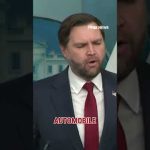
Vice President J.D. Vance has made strong remarks against the media coverage of the incident. He emphasized the danger that I.C.E. agents face every day while performing their duties, challenging the portrayal of Good as merely an innocent bystander caught in the crossfire. Instead, he argued that this incident reflects a larger tragedy stemming from far-left ideologies that have seemingly emboldened individuals to confront law enforcement. The implication here is significant—Vance suggests that the media and leftist rhetoric inadvertently shape interactions that can lead to dangerous confrontations.
The responses from liberal commentators have been robust, with some daring to label the shooting as outright murder or a parallel to the George Floyd case. Their words have amplified calls for justice and raised questions about the legitimacy of I.C.E. operations in urban areas. This has led to a complicated narrative where law enforcement faces increasing scrutiny and hostility. As tensions escalate, protests have erupted, reflecting larger societal frustrations over immigration policies and perceptions of law enforcement conduct.
Critics have pointed to a concerning trend where society appears to place significant blame on I.C.E. and law enforcement in scenarios where they were acting in self-defense. This dynamic has made many wonder about the balance of responsibility in critical situations, where one might argue that both individuals and institutions bear their share of the burden. The underlying tension here not only illustrates the perilous nature of law enforcement work but also highlights the broader ideological battles that persist in the American political landscape.
As discussions surrounding this incident continue, the call for an investigation remains paramount. Many believe that an independent review could shed light on the situation and provide answers to the community’s many questions. The debate is set to dominate headlines in the months to come, emphasizing the critical role of communication and responsibility in matters that must navigate the blurred lines of justice and ideology. The unfolding narratives underscore not just the intricacies of a specific shooting but also the larger tensions at play in a deeply divided nation.