Staff Reports
Daniel McCarthy’s syndicated op‑ed, “The Silenced Generation,” dropped this week and lit a fuse. He tells a simple, chilling story: an unnamed Ivy League professor says students are afraid to speak in class because they fear their classmates and social‑media mobs. The piece is an urgent warning, and it lines up with hard data. But the anecdote itself is anonymous and should be treated as an example, not a proven fact.
What the op‑ed says and why it grabbed attention
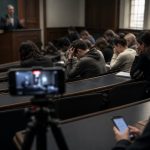
The op‑ed argues that self‑censorship is rampant on college campuses. Students worry about being recorded on smartphones, they avoid arguing across identity lines, and they opt for silence over debate. That is the headline claim, and it resonates because everyone knows how fast a short video can ruin a reputation today. The story sounded familiar to many readers because surveys and watchdog reports have been flagging the same problem for years: students feel pressure to keep quiet about controversial ideas.
What independent research actually shows
Multiple large surveys back up the general picture of rising self‑censorship on campuses. For example, a major foundation poll finds roughly two in three students say self‑censorship limits educational conversations. Campus free‑speech rankings from a national watchdog also show a multi‑year decline in open debate. Even an academic study compared private and public classroom answers and found measurable withholding of political views. These are not just anecdotes. They are repeated patterns across different datasets and methods.
But let’s be honest about nuance
Not every student is silent. Many students say they support free speech in principle. Some will speak up — but often only when their views match the crowd or the professor. Timing and hot current events make a difference. After sensitive events, surveys show spikes in fear and self‑censorship. So while McCarthy’s professor remains unnamed, the broader evidence gives the anecdote real plausibility. That still doesn’t let universities off the hook for creating climates that reward conformity and punish honest debate.
Why this matters and what we should do
Colleges are supposed to teach students how to think, not what to think. When debate dies and silence spreads, education becomes theater. Social media and smartphones make reputation policing instantaneous, and that feeds the problem. The answer is simple and not trendy: protect free speech, teach civil debate, and stop treating hurt feelings as grounds for censorship. If adults on campus don’t defend open discussion, the next generation will learn to avoid argument and love comfort over truth. That’s a loss America can’t afford.