Staff Reports
The Justice Department just sued the State of California, asking a federal court to stop the state from tabulating mail‑in ballots for people the feds say are “likely noncitizens” until their citizenship can be checked. This is the latest flashpoint in a fight over election integrity, a 48‑hour demand, and a thumb drive delivered to county officials — with the password apparently scribbled on a sticky note. If that sounds sloppy, it is. If that sounds serious, it should.
What the DOJ actually did — and why it matters
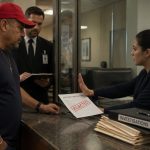
The suit asks the court to order California to segregate and not count ballots from more than 20,000 names the Department of Justice flagged as likely noncitizens. Acting Deputy Attorney General R. Trent McCotter gave state and county officials 48 hours to review the list before litigation — and yes, they got the list on a password‑protected thumb drive. Attorney General Todd Blanche put it bluntly: “State‑facilitated voter fraud is unacceptable in the United States of America.” That is a simple sentence with big implications for election integrity, mail‑in ballots, and public trust in our vote counts.
Not a partisan stunt — a basic duty
Some in Sacramento and Los Angeles acted as if this were a grandstand move rather than a serious enforcement step. Secretary of State Shirley Weber, Governor Gavin Newsom and Attorney General Rob Bonta questioned the data and the method. Fine — ask for the methodology. But questioning should not equal refusing to work with federal authorities when potential noncitizen voting is on the table. Asking counties to segregate ballots while citizenship is checked does not disenfranchise anyone permanently. It simply protects the process from possible fraud and preserves trust in our elections.
Yes, there are legal questions — but don’t confuse complexity with inaction
Legal experts will debate whether federal law allows the DOJ to order segregation so close to an election and whether the data cross‑matching yields too many false positives. Those are weighty points. Still, the practical reality is plain: if federal databases identify a large pool of possible noncitizen registrations, somebody has to verify them before votes are mixed into final counts. County officials complaining about the thumb drive’s security — the password on a sticky note — are making the problem almost farcical. If we can’t handle evidence properly, how can we be trusted to handle ballots?
What should happen next
Courtroom battles are coming and will decide the legal limits of federal intervention. In the meantime, common sense should prevail. The DOJ should provide clear methodology and allow reasonable state verification. California should stop reflexively defending its rolls and start cooperating to clear the names that shouldn’t be there. Counties must secure data transfers better than a sticky note. Above all, judges should balance the risk of disenfranchising lawful voters against the risk of counting ballots from ineligible voters. If we want free and fair elections, we must be willing to verify the voters — not hide behind excuses when a substantial, credible claim is raised.