Staff Reports
The Justice Department and the FBI say they just stopped a chilling plot: an alleged Russian intelligence‑linked network tried to buy murder and sabotage on American soil and in Europe. The indictment unsealed in Manhattan accuses five people of recruiting U.S. residents to surveil and even kill Russian dissidents and of arranging attacks on countries that back Ukraine. This is not spy‑novel fodder — prosecutors call it a real, continuing threat that was stopped before someone was killed.
What the indictment says: a “global assassination network”
Federal prosecutors in the Southern District of New York describe the accused as part of an RIS Network — shorthand for Russian Intelligence Services. Attorney General Todd Blanche put it bluntly: “It is our job to stop America’s adversaries from unleashing violence and terror on American soil.” Assistant Attorney General for National Security John A. Eisenberg added that, as alleged, “These defendants allegedly operated as part of a global assassination network that reached into the United States, attempting to recruit U.S. citizens and foreigners to carry out killings at the behest of the Kremlin.” Those are not warm words. They are the language of a government saying it caught a cross‑border hit squad in action.
How the plot allegedly worked — money, surveillance, offers to kill
The indictment says recruiters tried to pay people in the U.S. small sums for surveillance — $1,000 to $1,500 for initial tasks — and then offered as much as $40,000 to “eliminate” a dissident believed to be in the Washington area. Prosecutors also say the network solicited attacks on infrastructure in European countries aligned with Ukraine, offering tens of thousands of dollars in other cases. Five people were charged and remain at large, named in the court papers as Yuri Khrameev, Kirill Khrameev, Oemis Romagoza Durruthy, Yaidel Delgado Suarez, and Angel Eduardo Castro. The indictment is an allegation, not a conviction, but the details are stark and specific.
Why conservatives should care: sovereignty, law enforcement, and deterrence
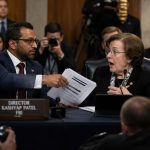
This is about more than one alleged hit job. It is a test of whether foreign regimes can reach into our neighborhoods and threaten speech, safety, and sovereignty. FBI Director Kash Patel captured the right tone: “Foreign governments will not be allowed to silence critics, violate our laws, or threaten the freedoms of people in America. The FBI will defend free speech and confront transnational repression wherever it threatens our homeland.” If you think geopolitics is remote, think again — enemies that can pay to recruit locals to commit murder are closer than we like.
What happens next: arrests, extraditions, and more questions
The case will be handled by prosecutors in SDNY with national security teams involved. The defendants are described as at large, which means law enforcement will chase them and work with partners overseas. Expect more sealed filings, attempts at arrests abroad, and possibly sanctions or diplomatic pressure. One big unknown remains: the indictment redacts the identity of the dissident targeted, so we may never get a full public picture of who was to be killed or all the ways the network operated.
Bottom line
Law enforcement deserves credit for stopping an alleged plot before it became a headline about a murder on U.S. soil. Still, the episode should be a wake‑up call: foreign intelligence services have shown they will try to use money and proxies to intimidate and even kill critics far from home. That means stronger counterintelligence, smarter domestic enforcement, and a sober public that understands threats can travel across borders. Prosecutors and the FBI have opened the case — now it’s time for the world to see if the suspects can be brought to justice.