Staff Reports
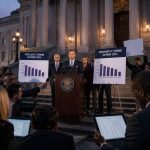
Governor-elect Keisha Lance Bottoms has promised to sign an executive order pausing approvals for new Georgia data centers. Her spokeswoman says the length and exact scope of the pause haven’t been set, but the move is meant to force a broader review of tax breaks, utility impacts, and local costs. That promise will ripple through a pipeline of projects already in motion and raises real questions about who pays for growth and who decides for our towns.
Bottoms’ executive pause: the immediate impact
An executive pause at the state level could freeze new Development of Regional Impact (DRI) filings and other state approvals. That matters because there are roughly 25 DRI filings this year, from big players like DC Blox — which filed for a 500,000-square-foot building aimed at coming online within a few years — to OpenAI’s project in Effingham County. Local leaders have already negotiated payment-in-lieu-of-taxes (PILOT) deals and site plans. A sudden halt could scuttle those negotiated benefits while leaving local governments and schools stuck with the same bills they feared could be shifted to them.
The tax fight fueling the pause
The political argument for a pause is not coming from nowhere. A state audit found Georgia’s 2018 sales-and-use tax exemption explains far less of the data-center boom than once claimed — about 30% in the latest analysis. On the other side, groups tracking incentives warn the state could see billions in forgone revenue from tax breaks. Lawmakers tried and failed this year to curb or rewrite incentives, and the new Democratic majority on the Public Service Commission has signaled it wants closer oversight. Those fiscal fights are the obvious reason officials want time to catch their breath.
Why a statewide moratorium hurts Georgia
But a blunt statewide pause is bad policy. It punishes counties that struck deals in good faith, it freezes ongoing negotiations that were meant to deliver local infrastructure and school money, and it chills the very investment Georgia courts tried to attract. If the PILOTs in Effingham are as real as officials say, pausing approvals could delay revenue streams the county is counting on while leaving taxpayers with the same grid and water costs. Officials who cheer a blanket moratorium are playing politics with jobs and local budgets — and that deserves a sharp look from anyone who cares about predictable government and growth.
What should happen instead
If the goal is better policy, do it with precision — not performance. Demand transparency on tax deals, require utility-cost sharing before approvals move forward, let local governments finish negotiations, and give the Public Service Commission clear rules to protect ratepayers. An open-ended statewide freeze is the lazy way out. Governor-elect Bottoms should publish the order’s scope and timeline, then work with the legislature to write durable reforms that don’t steamroll communities or scare off the next round of investment. That’s how you fix a problem, not just press pause and call it progress.