Staff Reports
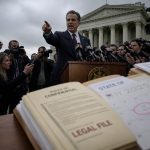
House Minority Leader Hakeem Jeffries stepped in front of a live TV camera this week and tried to pin “skyrocketing” gas prices on President Donald Trump’s conduct of the Iran war. He got more than he bargained for. Good Day New York co‑host Rosanna Scotto pushed back on live TV, reminding viewers that high pump and grocery prices are not a new problem — and that markets have already begun to ease after the recent Iran ceasefire news. The whole exchange was a neat little lesson in politics meeting facts.
Jeffries’s Charge and the TV Pushback
On air, House Minority Leader Hakeem Jeffries called the Iran conflict “a reckless war of choice” that he said had “obviously cost the American people significantly, particularly as it relates to skyrocketing gas prices.” That’s a fair political attack — wars and supply shocks do raise energy prices. But when co‑host Rosanna Scotto reminded him that Americans saw gas top $5 a gallon in 2022 and grilled him about grocery pain during the Biden years, Jeffries stumbled. The live moment showed how easy it is for talking points to collide with plain memory and simple data.
Reality Check: Prices Then and Now
Let’s keep it simple. The national pump average has been sliding into the low‑$4s this month — AAA showed numbers around $4.20‑$4.30 a gallon as the market reacted to ceasefire reports. That drop lines up with news that the Strait of Hormuz could reopen and shipping could normalize, which eases global supply fears. Still, that doesn’t erase the fact that Americans did pay more than $5 a gallon during the 2022 spike, and grocery items like eggs saw wild swings in early 2023. You can argue about causes, but you can’t wish away facts on live TV.
Markets Move Faster Than Spin
Here’s the takeaway markets handed Jeffries: crude and refined fuel prices fell as soon as traders saw the Iran peace framework, because reopening a major shipping lane matters. But markets also remind us that relief can lag at the pump — refinery runs, inventories and distribution take time. So yes, policy and geopolitics matter. But so do past mistakes, broken supply chains, and bad leadership choices — and voters remember the pain as well as the pundits remember the talking points.
What This Moment Really Shows
This exchange was more than a gaffe reel for a cable clip. It showed a party spokesman trying to make a case and getting shut down by basic facts and a tough local host. Conservatives should enjoy the moment, sure, but the larger lesson is for both sides: voters aren’t buying neat narratives. They want results. If Democrats want sympathy for higher costs, they’ll need better answers than finger‑pointing. And if Republicans want to claim credit for easing prices, they must keep delivering real, sustained relief — not just headlines. Either way, the camera doesn’t care about your spin. It only cares about whether your argument holds up when someone asks one simple question: “Did people actually pay that?”