Staff Reports
A nationwide manhunt is underway after a vehicle plowed into a crowd near Berlin’s Christopher Street Day route and one or more people then attacked bystanders with a blade. Police have named a primary suspect, released his photo, and federal officials are calling the incident an Islamist terrorist attack. The scene in the Großer Tiergarten left one woman dead and dozens wounded — and it has exposed glaring questions about how someone described as “known to security services” got this far.
Nationwide manhunt after Berlin Pride attack: suspect identified
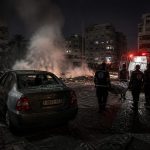
Berlin Police and the Generalstaatsanwaltschaft published a photo and appealed to the public for tips on the whereabouts of the primary suspect, identified as 21-year-old Abdul B. Authorities warned he may be armed and dangerous and urged people not to approach him. The attack began when a white van drove into people near the CSD route in the Großer Tiergarten; witnesses say attackers then left the vehicle and used a bladed weapon against bystanders. Police say one woman was killed and roughly two dozen others were hurt. Officers have mounted a wide search, checking transport hubs, parks and borders while helicopters and ground teams hunt for the suspect.
Suspect background and the “Islamist” label from Interior Minister Dobrindt
Interior Minister Alexander Dobrindt said what investigators have seen so far points to an “Islamist terrorist attack.” He also said the suspect was born in Germany, is of Lebanese descent, and had been flagged for radicalization and criminal offenses. Reports say the man had recently been released from juvenile detention and was enrolled in deradicalization counseling. That the suspect was already on security radars — yet was still able to carry out a mass attack — is now the central issue fueling public anger and political pressure.
Hard questions about security and failed interventions
If someone is “known to security services” and has a record that led to detention, what exactly do those warnings mean in practice? How often does paperwork replace action? Officials say they were watching him; the public watched helplessly as the attack unfolded. This is not a moment for vague condolences or ritual statements about openness. It’s a moment to explain, plainly and immediately, how monitoring failed and what new steps will actually keep people safe at public events like Pride and other large gatherings.
What must change: tougher, smarter security without surrendering freedom
Chancellor Friedrich Merz and Governing Mayor Kai Wegner promised to pursue those responsible and to defend Berlin’s free society. Fine words — but bravery in speech must become clarity in policy. Berlin must beef up rapid response, tighten supervision of known extremist threats, and make deradicalization programs accountable instead of transactional. We can be open and freedom-loving while also refusing to be naive. Catching Abdul B. and anyone who helped him is urgent. So is reforming the system that let a known danger get this close to a major public event.