Staff Reports
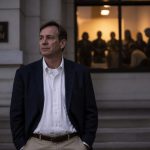
A new interview with the lone holdout juror in the Lindsay Clancy trial has stirred the pot again. Michael P. Desronvil told Fugitive TV host Ray Marcel that a block of jurors came into deliberations determined to find Clancy not guilty — and that they acted like “activists” from day one. His account adds a raw, inside angle to a case that already blew up into a mistrial and a national debate over juries, media mobs, and political theater.
What the juror said in the Fugitive TV interview
Desronvil, who has been identified in reporting as the 48-year-old from Bridgewater, said the split on the jury was obvious from the start: eight jurors favored not guilty, two wanted guilty, and two were undecided. He told Marcel he believed the evidence pointed to guilt and that Clancy was not insane at the time. The interview was a phone discussion — not sworn testimony — and the juror declined to appear on camera because of harassment. That matters. The comments are his account, not a court transcript, but they are the new development driving this story.
Why the claim of “activist” jurors should worry us
If jurors bring agendas into the jury room, the justice system loses its balance. Desronvil’s charge that a majority tried from day one to push a not-guilty verdict reads like jury room politics, not sober deliberation. That should make judges and attorneys ask hard questions about jury selection and screening. Mainstream reporting has also shown sharp attention to the holdout juror’s background — including past police and court filings — which has fueled the backlash and raised further questions about how juries are vetted in high-profile trials.
Harassment, doxxing and the political circus
The fallout after the mistrial turned ugly fast. The juror’s identity leaked online, a crowdfunding page appeared with large donations reported, and politicians piled in — including a governor offering “asylum” if harassment continued. Call it concern or call it performative rescue; either way it underlines how quickly an ugly online mob can warp one juror’s private choice into a public spectacle. Protecting jurors from doxxing and threats should be nonpartisan, but so should protecting the integrity of deliberations from ideological pressure.
Where we go from here
Judge William F. Sullivan declared the mistrial after jurors reported they were deadlocked. The next court status hearing is on the calendar, and the Plymouth County District Attorney’s office must decide whether to retry the case. In the meantime, take the juror’s interview seriously but skeptically: it’s a firsthand account and worth hearing, but it isn’t part of the trial record. The bigger lesson is plain — juries must be free of activism, the press must stop hunting private citizens, and the system must protect fair outcomes. If America wants justice instead of theater, that’s where the focus should be.