Staff Reports
Oil prices took a sudden nosedive this week after fresh signs that the United States and Iran are edging toward a framework to pause the fighting and reopen the Strait of Hormuz. Traders yanked the geopolitical risk premium out of crude futures the way someone rips off a Band‑Aid — quick and a little messy.
Markets reacted like a coiled spring
Front‑month crude plunged roughly 5–7% in the biggest moves since the crisis began, sending WTI down into the low‑to‑mid $90s and Brent toward the high‑$90s to low‑$100s. Stocks got a lift, the dollar softened, and traders quickly priced out months of supply disruption if oil can move through Hormuz again. It read like a relief rally — and relief rallies tend to be sharp when the fear premium finally goes off the table.
But “deal hopes” aren’t the same as oil flowing
Call it optimism with a caveat. U.S. and international inventories are unusually thin after weeks of emergency releases and record drawdowns, so even if a memorandum of understanding is signed, tankers, insurance and port logistics won’t snap back overnight. Tehran is sending mixed signals too — Iran’s new Supreme Leader, Mojtaba Khamenei, reportedly ordered enriched uranium remain in the country and state media says Tehran wants to retain control over Hormuz transit — which means any agreement will likely be phased and fragile.
Washington’s words moved markets — and raised the stakes
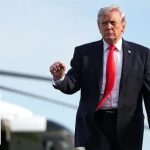
President Donald Trump told reporters talks were in the “final stages,” and diplomats from regional mediators say broad principles are close, which is what set this whole move in motion. But the practical impact is what matters to people filling up at the pump or running a small business: even a modest rebound in crude would re‑inflate gas prices and feed inflation pressures that have already pinched family budgets and farmers’ margins. Kevin Book of ClearView was right on television when he said the prospect of a deal is driving prices lower — but he also warned inventories leave the market exposed if the talks sputter.
The simple, uncomfortable truth
For now, traders are betting on diplomacy and markets have cheered. Working Americans should hope the deal holds — and prepare for the opposite. Which is the hard part: do you bank on Tehran keeping its promises, or on oil markets that have proven themselves volatile and unforgiving?