Staff Reports
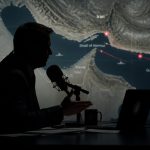
Washington is staring down a choice: steady the shipping lanes and punish Iranian aggression, or step onto a path that could widen a shooting war across the Middle East. President Donald Trump has publicly rattled that saber — from threats to “hit them hard” to talk of seizing Kharg Island — and the administration is clearly weighing broader strikes and seizures in the Gulf. The question isn’t just military calculus; it’s about who pays the bill when global trade and oil prices wobble.
The choices in the Oval Office
The president’s comments — reported as blunt, off-the-cuff promises to “hit them hard again tonight” — make it plain the administration is not content with pinprick responses. U.S. and Israeli strikes earlier in the campaign reportedly took out Iran’s top leadership and set off a months-long spiral of maritime harassment, retaliatory strikes, and a fragile, punctured ceasefire. Pentagon officials call recent U.S. strikes “defensive” and point to attacks on commercial vessels and threats to close the Strait of Hormuz as justification; in the Oval Office those legal and tactical lines are being redrawn in real time.
Why the Strait of Hormuz matters to you
Let’s be blunt: when the Strait gets choked, Americans see it at the pump. Insurance premiums for tankers spike, oil traders panic, and working folks pay more to heat their homes and drive to work. Picture a harbor worker in New Jersey watching crude futures jump on the morning feed while her employer braces for delayed shipments — that’s the direct cost of diplomatic brinksmanship, not some abstract headline about foreign policy.
War powers, politics, and the cost of clarity
There’s a second, quieter battlefield at home: the Constitution. The administration first told Congress hostilities had “terminated,” trying to reset the 60‑day War Powers clock, then later notified lawmakers that fighting had resumed. That flip-flop isn’t just bureaucratic hair-splitting — it matters if America sends more troops or takes bolder action like seizing an island. Families with loved ones in uniform deserve a straight answer about whether their sons and daughters are being put in harm’s way because of a political dodge.
Here’s the hard truth: tougher lines in the Gulf might protect shipping and punish Tehran, but they raise the stakes for every American family already juggling high prices and thin savings. If the president pushes forward, Congress should demand clarity, the Pentagon should spell out exit plans, and the country should be ready for the consequences — economic and human. So ask yourself: when leaders say “we’ll hit them hard,” who does the hitting protect, and who ends up paying?