Staff Reports
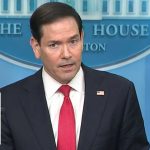
Something’s changed in the Caribbean — and it isn’t just another round of regime theatrics from Havana. A short Civil Defense pamphlet telling Cuban families how to shelter for “military aggression,” a U.S. intelligence report saying Havana has taken delivery of more than 300 military drones from Russia and Iran, and a freshly unsealed Department of Justice indictment against Raúl Castro have together pushed tensions into a new, dangerous phase. Secretary of State Marco Rubio has publicly warned that Cuba now poses a national‑security threat, and commentators from the right and the intelligence community are sounding the alarm.
What’s actually happened — and what we can verify
The civil‑defense “Family Guide for Protection Against Military Aggression” is real; provincial and state Cuban outlets published the pamphlet and have been running related drills. The drone story comes from classified U.S. intelligence reported by Axios and echoed by other outlets: the figure “more than 300” drones — some armed, some reconnaissance — is being treated as an asymmetric edge that could complicate U.S. operations in the region. The DOJ unsealed a superseding indictment charging Raúl Castro in connection with the 1996 shoot‑down of two civilian aircraft, and the State Department has publicly tightened sanctions and rhetoric.
How this affects ordinary Americans
This isn’t abstract geopolitics. If the drone reporting is accurate, American sailors and Marines operating around Guantánamo Bay and through Caribbean sea lanes suddenly face new risks from cheap, hard‑to‑defend‑against weapons. That raises insurance costs for shipping, complicates naval patrols, and could keep American vessels, planes and even tourists at greater distance — which hurts coastal businesses and travel jobs in Florida and beyond. And when the government ramps up contingency planning, taxpayers pick up the tab for higher readiness, more patrols, and the intelligence chase that follows every new threat headline.
What we still don’t know — and why the gaps matter
Intelligence assessments can be right and still incomplete. The “300+” drone figure is sourced to U.S. classified reporting; independent imagery and on‑the‑ground confirmation are limited. The Cuban guide, meanwhile, is civilian survival advice — not an order to mobilize troops — though it does signal Havana’s mood and its willingness to frame itself as under siege. Those gaps matter because misreading posture for intent is how small standoffs become costly mistakes.
A conservative case for clarity and resolve
We should want a firm, clear deterrent that protects Americans and avoids unnecessary escalation. Secretary of State Marco Rubio’s blunt warnings are a start; so are the DOJ actions that make clear there are legal costs for past crimes. But tougher rhetoric needs tougher transparency — Congressional oversight of the Pentagon’s planning, public accounting of the intelligence the administration is relying on, and a clear plan for protecting U.S. forces and commerce without drifting into a war we didn’t choose. Can our leaders show Americans the facts and the plan before we’re asked to pay the bill in blood or treasure?