Staff Reports
The Treasury Department has abruptly revoked the temporary Iran oil waiver and issued a tighter wind‑down license after reports that Iranian forces struck three commercial vessels in the Strait of Hormuz. The move — a replacement of the June authorization with a new General License X1 — bars new purchases of Iranian crude, petroleum products and petrochemicals and gives firms a very short window to unwind old deals. The decision came alongside U.S. military strikes, and it changes the rules for traders, shipowners and banks overnight.
What the Treasury actually did: GL X is gone, GL X1 is here
In plain English: OFAC revoked the earlier waiver and replaced it with a much narrower authorization. General License X permissively allowed certain Iran oil transactions under the ceasefire talks. General License X1 authorizes only limited, “ordinarily incident and necessary” wind‑down activity and explicitly bars any new loading, sales, or purchases of Iranian oil or petrochemicals after the effective date. The deadlines are short, and companies that relied on the prior waiver now face immediate compliance choices. This is Treasury‑level policy, not a suggestion.
Why the administration pulled the waiver — diplomacy with teeth
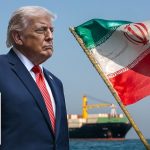
The White House says the waiver was conditional. U.S. officials tied the revocation to reported Iranian attacks on three commercial vessels in the Strait of Hormuz — actions the administration says violated the ceasefire memorandum of understanding that produced the June waiver. President Donald Trump made clear the approach: pursue a deal, but be ready to finish the job if talks fail. Translation: diplomacy stays on the table, but sanctions and strikes will be the sticks when Iran steps out of line.
Immediate fallout: markets, compliance headaches, and stranded cargoes
Energy traders, shipowners, insurers and banks woke up to a new set of legal risks. Millions of barrels and several tankers previously moving under the old waiver now face uncertain destinations. The short wind‑down window creates real operational headaches and potential liabilities for firms that thought they were operating legally. Expect price swings, emergency compliance briefings, and a lot of phone calls between traders and counsel. Markets hate surprise rules; politicians wear them like a badge.
Escalation risk and what to watch next
The revocation and the U.S. strikes that followed raise the risk of tit‑for‑tat escalation. CENTCOM described targeted strikes meant to degrade Iran’s ability to attack shipping, and Tehran has vowed “decisive measures.” The key question now is whether GL X1 is meant as a temporary, reversible warning or the start of a tougher, long‑term economic chokehold. Either way, the administration has signaled that concessions come with strings — and that strings can snap if Iran crosses a red line.
Bottom line
This was a clear, calculated choice: restore sanctions quickly, tighten enforcement, and show that diplomacy is conditional. For businesses and markets, the immediate task is damage control. For policymakers and voters, the message is simple — the U.S. will try to bargain, but it will also use pressure and force when it thinks national and commercial interests are at stake. Keep your eyes on the Strait of Hormuz, the Treasury notices, and the next statements from both capitals. The peace that produced the June waiver just got a lot more fragile.