Staff Reports
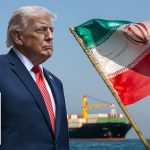
President Donald Trump and Treasury Secretary Scott Bessent just turned up the heat on the Iranian regime with a bold new campaign called “Operation Economic Outcast.” This is not another press release with a lot of puff and no teeth. Bessent framed it as an “economic D‑Day” meant to cut off every money channel that props up Tehran. If you want the hard truth: we are finally trying to choke off the cash that buys missiles, proxies and terror, and that is something conservatives should cheer — cautiously.
Operation Economic Outcast: What it means
Treasury Secretary Scott Bessent announced a fast, wide push of sanctions and enforcement. The plan targets five big areas: digital assets, technology, gold, aviation and shipping. The goal is to punish nations and companies that help Iran sell oil, move money, or buy banned gear. The administration named about 60 Iran-linked entities, ships and people in the first round. That sends a clear message: doing business with Tehran now carries real consequences.
Targets, tools and the aim of the campaign
The smart part is that the campaign goes after the middlemen. It aims at banks, shell companies, shadow fleets and crypto exchanges that let Iran hide revenue. Cutting off oil buyers and financial enablers will make life harder for the regime. Yes, many of the obvious targets were hit before. But this operation is supposed to step up enforcement, widen the net and squeeze remaining loopholes. If Treasury enforces the rules, the economic pressure will bite where it counts.
Risks, pushback and market signals
Tehran has already warned it will retaliate. Iran’s leaders threaten to disrupt oil flows and harass shipping in the Strait of Hormuz. That is exactly what you’d expect when you squeeze a bully. Markets showed concern: Iran’s currency fell and traders watched shipping and insurance prices. Critics say we’ve picked the low-hanging fruit and that more sanctions will have limited effect without allies. That’s a fair point, but it’s also a reason to double down on enforcement and make the penalties too painful for third parties to ignore.
What Washington must do next
If this campaign is going to work, the administration must do three simple things. First, follow through with aggressive enforcement and clear OFAC guidance so banks and insurers know the rules. Second, win allied support — public pressure from partners will amplify the pain on Tehran. Third, prepare for escalation: beef up naval patrols, protect shipping lanes and warn companies that business with Iran means blocking access to the dollar system. Operation Economic Outcast has teeth. Now it needs the bite to match the bark.