Staff Reports
Washington just announced what it’s calling an “economic D‑Day,” and Tehran answered like a cornered bully — loudly, and with a loaded threat. This is not rhetorical sparring. It’s a clear line being drawn around trade, shipping and the very real risk of higher prices at the pump for ordinary Americans.
What the Treasury is rolling out — and who will feel it
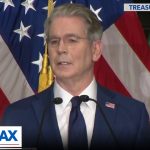
Treasury Secretary Scott Bessent put the plan on the record as an “economic D‑Day,” promising the single greatest financial offensive ever marshalled against an adversary. Translation: aggressive secondary sanctions, tighter correspondent banking rules, and a track aimed not just at Tehran but at third‑party banks, shipping firms and anyone who helps Iran move oil and money around the globe. That will squeeze Iran — but it will also force banks, shipowners and commodity traders to make hard choices, and those choices cost money that trickles down to consumers.
Tehran’s reply — “an act of war”
Mohsen Rezaei, the hardline secretary of Iran’s Supreme National Security Council, said bluntly that any country participating in the U.S. economic campaign would be treated as committing an “act of war,” and threatened to halt all oil exports if the pressure continues. This is not idle Twitter bluster; Rezaei speaks for Iran’s security establishment, and shutting down exports or obstructing traffic through the Strait of Hormuz would immediately tighten global oil markets. For American families that means one clear, practical consequence: higher energy and transportation costs on top of everything else.
Borderline legal threats and real military risks
There’s theater here — and there’s danger. Calling cooperation with sanctions an “act of war” raises a legal and doctrinal fight: is helping enforce U.S. sanctions equivalent to hostile state action under international law? Even if it’s mostly rhetorical, Tehran’s threats feed into the same risky calculus that gave us naval interdictions and stand‑offs in the Hormuz shipping lanes earlier this year. The result is higher insurance premiums for tankers, rerouted cargo, longer supply chains, and a geopolitical tinderbox that could go kinetic if misread by either side.
What Washington should do — and what Americans should expect
Sanctions can work. They’ve helped bring rogue regimes to the table before. But they aren’t magic. If the administration wants to impose an “economic D‑Day,” it needs a real‑world plan to protect American interests: secure shipping lanes, reassure energy markets with reserves and production levers, and brief the public on likely costs. Working Americans deserve straight talk — not posture — about whether we’re willing to pay for the leverage this campaign buys.
So here’s the question that matters more than clever op‑eds: will Washington back its sanctions with the diplomacy, military readiness and economic buffers needed to carry the risk — or will ordinary Americans be left to shoulder the bill when Tehran calls the bluff?