Staff Reports
In today’s global political arena, few topics spark as much debate and concern as the issue of nuclear weapons, especially when it comes to Iran. Recent developments have led President Trump to take a firm stand against Iran’s potential nuclear aspirations. Today, he is set to convene with his national security team in the situation room, a venue that sounds as serious as it actually is. This meeting comes on the heels of a canceled trip to Pakistan, which was intended for further negotiations. It seems that the stakes have never been higher, and the tension stretches all the way to the Persian Gulf.
Iran has made headlines recently with a new proposal that many are calling a strategic attempt to sidestep the pressing issue of its nuclear program. While Iran is supposedly willing to ease tensions over the Strait of Hormuz, a critical waterway for global oil shipments, it has no intentions of addressing its nuclear ambitions just yet. According to reports, Iran wants to focus on negotiating the reopening of this vital strait and push discussions on nuclear arms down the road. It’s like saying you want to negotiate the menu while refusing to discuss the recipe.
Meanwhile, U.S. officials are standing their ground, firmly insisting on a no-nuclear-weapon policy for Iran. President Trump has made it abundantly clear that the U.S. will not budge on this vital issue. In fact, he stated that instead of flying halfway across the globe for talks, Iran could simply pick up the phone and call if they are serious about negotiating. One can imagine a confident Trump sitting at his desk, tapping away on his phone with a message that reads “Hey Iran, let’s chat. No airplanes needed!”
In a twist of irony, Iran’s foreign minister has labeled the U.S. demands as excessive. It’s a bit rich for a country that has caused so much upheaval in the region to complain about demands, especially when it’s a matter of international security. Despite the criticism, the U.S. negotiators remain steadfast. They refuse to accept a proposal that doesn’t prioritize the dismantling of Iran’s nuclear capabilities. If only diplomatic discussions came with a clear set of rules, like a game of chess where each piece has its role, avoiding the complications of a diplomatic chess match would make things easier.
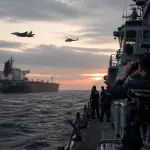
As the political chess game continues, one can’t help but ponder what lies ahead for Iran and its nuclear ambitions. With escalating tensions and a U.S. military blockade reaching its third week in the Persian Gulf, the future remains uncertain. While Iran is looking to shift the focus of the conversation, the United States remains adamant. With the stakes rising and no clear resolution in sight, the world watches closely, hoping for a breakthrough that might, just maybe, lead to a peaceful outcome. Or at the very least, a proper structure for a productive conversation. In this high-stakes game, only time will tell who makes the next move.