Staff Reports
President Donald Trump and Pakistani mediators say a U.S.–Iran peace framework is in hand — and markets reacted like a referee’s whistle at the end of overtime: oil prices fell and U.S. stocks jumped. If true, reopening the Strait of Hormuz and taking the war-risk premium off the table would be huge for energy markets and everyday Americans paying for gas. But “reported” and “signed” are two very different words when Iran is involved.
What the White House and Mediators Are Saying
President Donald Trump posted that “The Deal with the Islamic Republic of Iran is now complete,” and even joked, “Ships of the World, start your engines.” Pakistan’s Prime Minister Shehbaz Sharif said mediators had agreed on a final text and were ironing out next steps. Iran’s Foreign Minister Abbas Araghchi told the public the agreement “has never been closer.” Those are powerful soundbites. They are also precisely the kind of public theater that moves markets — sometimes long before the paperwork is in place.
Markets Reacted — But Don’t Let Headlines Do Your Thinking
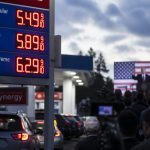
Traders priced in less risk right away. Global crude futures slid by a few percent, and U.S. stock futures climbed as investors embraced a “risk on” mood. That makes sense: the Strait of Hormuz carries a huge share of seaborne oil and gas. If shipping is truly secure and a U.S. naval blockade is lifted, the war premium built into prices gets trimmed. Still, quick market moves on an unverified framework are classic headline trading. The difference between a rumor and a binding, verifiable accord can be worth billions.
Major Caveats — Iran Sends Mixed Signals
Don’t start celebrating just yet. Tehran’s messaging is mixed: some senior diplomats sound hopeful while state-affiliated outlets and hardliners publicly downplay or deny reported terms, especially anything about nuclear-material handling or sanctions relief. Regional flare-ups, including Israeli strikes and violence in Lebanon, can derail or complicate any deal. The sensible thing is to demand the text and see the operational steps: who will actually secure the Strait of Hormuz, what verification looks like, and when any blockade ends.
Why This Matters to Americans
If this framework truly becomes a signed, enforceable agreement, American families could see lower energy costs and less risk of another overseas escalation. That’s worth praising. But praise should be cautious praise — earned, not handed out for viral posts. The White House and mediators should now produce the written agreement, explain the verification process, and answer whether any sanctions relief is tied to strict, measurable milestones. Until then, markets can cheer and critics can complain, but facts matter more than applause.