Staff Reports
The Treasury Department’s latest round of sanctions hits three people and nine companies tied to Iran’s oil shipments to China. It’s another hard-line move from the Trump administration meant to choke off cash that funds Tehran’s military machine. Good—this is the kind of pressure that can work when it’s enforced and followed through.
What the new sanctions do
The Office of Foreign Assets Control targeted companies in Hong Kong, the UAE, and Oman that helped the Islamic Revolutionary Guard Corps move oil to Chinese buyers through shell companies and secret shipping networks. Treasury Secretary Scott Bessent said the goal is to deny the Iranian regime money for weapons, its nuclear program, and proxy wars. These steps build on earlier actions aimed at refineries, shadow fleet tankers, and intermediaries under the so-called Economic Fury campaign.
Why this move matters
Oil is Iran’s main cash cow. Cut the flow and you cut the dollars flowing to bad actors across the Middle East. Pressuring banks and shipping firms with secondary sanctions warnings is smart policy; it forces the global finance and maritime industries to choose law and stability over shady deals. If enforced, these measures can squeeze Tehran’s ability to fund missiles and terrorism without firing a single shot.
Enforcement challenges and China’s predictable response
Of course, Beijing reacted by telling Chinese firms to ignore U.S. steps and waving its anti-foreign sanctions law like a magic cloak. That’s not surprising—China protects its economic interests. But talking tough in Beijing won’t stop real enforcement. The U.S. must keep targeting buyers, refineries, ships, and banks that enable Iran’s schemes. If companies think the U.S. won’t follow through, the sanctions become theater rather than teeth.
The bigger picture: leverage before the summit
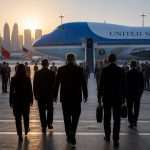
These sanctions come right before President Donald Trump meets with President Xi — perfect timing. The U.S. should use that leverage to demand China crack down on the flow of Iranian oil and those who hide it. The ceasefire in the Strait of Hormuz may be on “life support,” so diplomacy backed by real consequences is the path to lasting stability. This latest move is a good start, but the administration needs to keep the pressure up and make sure sanctions are enforced, not ignored.