Staff Reports
President Donald Trump has just put a new, blunt tool on the table: Project Freedom. The plan is simple — the United States will escort “neutral” ships safely out of the Strait of Hormuz so innocent crews and cargo can get out of harm’s way. At the same time he dismissed Iran’s latest three-stage offer as “not acceptable” and said Tehran “has not yet paid a big enough price.” This is the week the blockade and American muscle move from talk to action.
What Project Freedom actually is
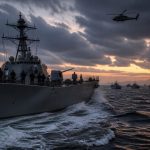
Project Freedom, as Trump put it, will “guide their Ships safely out of these restricted Waterways.” The president framed it as a humanitarian mission for ships that are not part of the fighting. He warned that any interference would be “dealt with forcefully.” Public details are light so far — we know escorts and navigation help are the goal — but the message is clear: the U.S. will protect neutral shipping in the Strait of Hormuz.
Why this move makes sense
Call it common sense backed by teeth. The blockade and pressure campaign was working; Iran suddenly sent a proposal after months of economic pain. Project Freedom keeps humanitarian cover while removing an easy Iranian tactic of trapping neutral ships. If you were tired of presidents who preferred speeches to results, this is the opposite. It applies pressure, protects commerce, and forces Tehran to pick between giving real nuclear concessions or facing more costly options.
Why Iran’s three-stage deal still won’t cut it
Tehran’s plan reportedly offers a staged reopening of the strait, a long freeze on enrichment, and a regional security dialogue. Sounds tidy until you read the fine print: Iran refuses to dismantle nuclear infrastructure, wants sanctions lifted first, and insists the maritime concessions come before real nuclear limits. That sequencing is the rub. Trump is right to reject “not acceptable” terms that let Iran keep the technical means for a bomb while getting relief up front.
Risks, next steps, and the bottom line
There are real risks. Escorting ships could lead to direct clashes if Iran tries to stop them. Oil markets will watch and prices may spike. That means the administration must back words with planning and clear rules of engagement. Still, this is the kind of pressure that wins negotiations: protect innocents, keep sanctions tight, and demand firm nuclear restrictions. Project Freedom shows resolve. Now let Tehran decide whether it will bargain seriously or learn the hard way that the price of nuclear ambition just went up.