Staff Reports
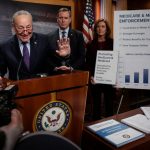
Vice President JD Vance gave a short, clear answer to the Beltway gossip machine this week: he isn’t playing the 2028 guessing game. At a White House press conference about Medicare and Medicaid anti‑fraud actions, Vance shut down questions about a possible Vance‑Rubio ticket after President Donald Trump had teased the pairing. The press was there for policy. The 2028 chatter was a detour — and Vance treated it like one.
Vance’s blunt refusal to audition
When a reporter pressed him, Vice President JD Vance didn’t hedge. “There are few topics that I want to talk about less than what office I’m going to run for years down the road,” he said. He praised Secretary of State Marco Rubio — “I love Marco. I think he’s a great Secretary of State” — but made a plain point: both men are focused on doing the job they were elected to do. He added a line voters liked: “If I was the American people, there are few things that I would hate more than a person who’s barely been in one office for a year‑and‑a‑half who’s angling for a job two‑and‑a‑half years down the road.” Simple. Direct. Disarming.
Policy, not pageantry — the anti‑fraud push
It’s worth remembering why reporters were there in the first place. The administration used the event to announce tough measures against Medicaid and Medicare fraud. Officials said they would withhold about $1.34 billion in reimbursements to California, suspend roughly 800 hospice providers in the Los Angeles area, and put moratoriums and audits in place to stop bad actors from gaming federal health programs. That’s the kind of work voters care about: protecting taxpayer dollars and seniors, not campaign sound bites.
Trump’s tease and the rehearsal culture in Washington
President Donald Trump had earlier tossed fuel on the rumor mill by crowd‑testing a Vance‑Rubio pairing at a White House event, calling it a “dream team.” Vance answered the bait with a little sting — noting it “doesn’t sound like the President of the United States to have a televised competition for who would succeed him as his apprentice,” a pointed nod to the TV‑drama side of American politics. It was a reminder that presidential crowd‑testing can create headlines, but it doesn’t always deserve a response.
Why this matters — and what to watch next
Vance’s refusal to audition is smart politics and honest messaging. Voters are tired of officials who start campaigning the day they take a new job. Saying you’re focused on governing is good politics, and it forces the media to stop treating every policy brief as a campaign kickoff. That said, refusing to answer is not the same as closing the door — Trump’s comments, Rubio’s profile, and future appearances will tell us if the party actually lines up behind a ticket for 2028. For now, the big story was the anti‑fraud work. If the administration keeps delivering on policy, the punditry can debate the ticket — and the rest of us can judge them on results rather than rehearsals.