Staff Reports
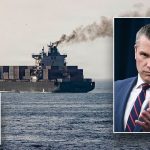
A recent New York Times scoop quietly confirmed what many of us suspected: the U.S. has been quietly shepherding commercial shipping through the Strait of Hormuz. U.S. Central Command has guided roughly 70 commercial vessels through the narrow waterway in recent weeks, often while those ships ran “dark” with transponders off. That’s the development, plain and simple — and it matters far more than the usual media hissy fit over aesthetics and soundbites.
What actually happened in the Strait of Hormuz
Here’s the short version. CENTCOM helped about 70 commercial vessels transit the Strait of Hormuz in recent weeks. Many of those ships turned off automatic identification systems and took routes closer to friendly waters to avoid Iranian harassment. Traffic hasn’t bounced back to pre‑conflict levels, but getting dozens of commercial ships through a chokepoint that Iran has tried to weaponize is no small feat.
Why this low‑profile move was the right call
This strategy is smart because it protects commerce without lighting a fuse under a wider war. Escorting ships quietly and helping them avoid Iranian detection protects American trade and global markets while keeping the risk of escalation low. Call it surgical de‑escalation: decisive, effective, and not particularly selfie‑friendly. Critics who complain about secrecy should ask for basic transparency — rules of engagement, scope, and the numbers — but they shouldn’t cheer for the alternative: an economic shutdown or a firefight in a narrow strait.
There are real questions to ask. How long does this operation run? What legal authorities apply? What are the exact routes and rules of engagement? The Pentagon and U.S. Central Command should answer those on the record. But don’t mistake operational prudence for weakness. While our diplomats haggle and the press frets about optics, American sailors and mariners are keeping supply lines open under pressure — and that’s the kind of quiet competence voters tend to like.
Meanwhile, back on the home front we get the usual circus. Homeland Security Secretary Markwayne Mullin noted some arrested at the Delaney Hall protests were from Portland, not New Jersey — a useful reminder that some domestic unrest is fueled by out‑of‑state agitators, not local grievances. And yes, President Trump can get credit for protecting the nation’s interests at sea and onshore, even as media outlets chase mirrors and the Left grumbles. If we want results — safe shipping lanes, secure borders, order on the streets — this week’s Strait of Hormuz operation is the kind of thing that should be noticed, not nitpicked.