Staff Reports
U.S. forces shot down Iranian one‑way attack drones headed for the Strait of Hormuz and then struck coastal radar and surveillance sites to blunt further threats — a raw reminder that the world’s most important shipping lane sits on a hair trigger. CENTCOM made the call, saying the drones posed an “immediate threat” to maritime traffic, and Washington’s military answered. This wasn’t theater. It was defense.
What happened out in the Gulf
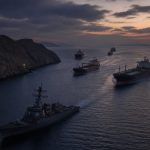
According to CENTCOM, Admiral Brad Cooper’s command shot down Iranian attack drones launched toward the Strait of Hormuz and later struck Iranian coastal radar sites on Goruk and Qeshm Island to deny Tehran the means to stage more hits. Iran fired missiles toward Kuwait and Bahrain in related exchanges; regional air defenses intercepted most of them and CENTCOM says there were no U.S. casualties. Tehran’s Revolutionary Guard frames this as retaliation, Washington calls it unjustified aggression — you can feel the tension in every sentence from both sides.
Why this matters to working Americans
The Strait of Hormuz is where a big chunk of the world’s oil passes through. When bullets and drones start buzzing over those waters, insurance costs climb, tankers divert, and markets react — which means higher prices at the pump or shakier paychecks for people who count every dollar. This is not abstract geopolitics for desks in D.C.; it’s real costs for ordinary families and real danger for merchant mariners navigating a war-zone of a waterway.
Diplomacy on a knife‑edge
All this is happening while negotiators try to paper over a shaky ceasefire and reopen shipping lanes. Every strike, every intercepted drone, makes a deal that much harder to stitch together. If the diplomacy firms up, good. If it crumbles, these skirmishes are the first pages of a larger conflict that nobody wants and everyone pays for.
What Washington needs to remember
America can’t wish away threats or outsource deterrence. President Donald Trump’s administration has to make a clear choice: protect shipping and our forces with credible, consistent force, or accept that Iran will keep testing limits while global commerce pays the bill. The calculus is simple for those who live paycheck to paycheck — either you keep the lanes open and secure, or you prepare to pay more at the pump and pray your kids stationed overseas come home safe.
So what’s it going to be? Will Washington keep the pressure on and defend those waterways, or let diplomatic ambitions and wishful thinking leave American interests vulnerable? The answer matters to every worker who pays for gas and every family with a loved one in uniform.