Staff Reports
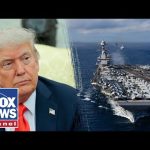
The situation in the Strait of Hormuz has entered a critical phase as the United States ramps up its naval blockade against Iran. With Secretary of War Pete Haggath at the helm, the U.S. asserts that it has complete control over this vital waterway, through which a substantial quarter of the world’s oil travels daily. This path is not just a strategic corridor; it is a lifeline for the Iranian economy, which heavily relies on exporting oil. The stakes couldn’t be higher for Iran, especially since its government has a history of threatening to use military force to stop oil from flowing to the global market.
According to the Secretary of War, the operations being conducted are impressively executed with only about 10% of America’s naval resources. This efficiently demonstrates that with minimal military presence, the U.S. still holds significant power over the situation, showcasing both the strength and reach of the U.S. Navy. The latest blockade has been effective, as indicated by reports of 14 ships turning away rather than risk confrontation with U.S. forces. Such decisive actions send a strong message: testing this blockade is a dangerous game that Iran should not play.
The Pentagon has not left anything to chance, having released images and audio warnings that emphasize the seriousness of the blockade. Ships attempting to enter Iranian ports are met with stark commands, urging them to turn back or face potential boarding and seizure. This strategy intricately weaves military might with financial pressure, targeting Iran’s ability to sell oil, which is crucial for its economy. With U.S. forces ready at a moment’s notice, the naval blockade is seen as a means to compel Iran into negotiations that could bring about a more peaceful resolution to ongoing tensions.
Recent discussions suggest a two-week ceasefire coming to an end, dramatically highlighting the urgency for Iran to negotiate. Analysts have noted that if oil exports do not resume soon, the consequences could be severe for Iran’s already fragile economy. As U.S. and Iranian negotiators dance around the table, the threat of dwindling resources looms over Iran. The possibility of reaching a breakthrough agreement is being explored, but the clock is ticking, and every day without oil sales increases the pressure on Iran’s leadership.
Meanwhile, this escalating conflict isn’t just maritime; it involves more than just naval operations. The U.S. is actively working to dismantle a minefield strategically placed by Iran in the Strait of Hormuz. Mine hunting is as meticulous as gardening, requiring specialized skills to ensure that shipping lanes remain safe. Such tactical efforts reflect the U.S. commitment not only to block Iranian activity but also to ensure safe passage for its operations in the region.
In conclusion, the U.S. strategy in the Strait of Hormuz hinges on a combination of military prowess and diplomatic negotiations. As ships turn around and tensions escalate, the situation remains fluid. It illustrates a broader struggle for control over essential energy resources and the lengths to which countries will go to protect their interests. Amidst this uncertainty, one thing is clear: control over the Strait of Hormuz is not just about oil, but about the very future of regional power dynamics and the economic stability of nations involved.