Staff Reports
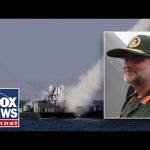
The geopolitical landscape of the Middle East is shifting dramatically, and President Trump is at the forefront of this transformation. A blockade of the strategically vital Strait of Hormuz has been implemented, and this blockade is no walk in the park for the Iranian Navy. With reports of over 150 Iranian ships, including many now sunk, the situation is more than tense. The blockade is designed to make it crystal clear that the U.S. is serious about preventing Iran from expanding its reach with nuclear capabilities.
Recent developments indicate that a second round of peace talks between the United States and Iran could be very close, perhaps happening as soon as this week. However, the pivotal issue of enriched uranium is creating quite the roadblock. It’s like trying to drive a car with a flat tire; something has got to give! As Vice President JD Vance noted, it’s now Iran’s turn to step up. The U.S. has laid its cards on the table, and it’s up to Iran to decide whether to play along or face the consequences.
In the midst of this delicate situation, the U.S. naval presence has increased, with reports of at least 15 American vessels assisting in the blockade. While no significant incidents have occurred yet, several Iranian vessels have been forced to turn back. President Trump’s no-nonsense approach has been made clear on social media, where he hinted at the consequences awaiting any Iranian ships daring to cross the blockade. It’s straightforward: cross the line, and there will be repercussions.
Turning to the diplomatic front, it seems that amid the military buildup, there’s an attempt at dialogue taking place between Israel and Lebanon, aimed at disarming Hezbollah. This effort represents a significant shift given Hezbollah’s noted activities in the region. With Hezbollah becoming less of a threat, Lebanon is reaching out for peace, a refreshing course amid the chaos. The role of the U.S. as a mediator in these discussions highlights its ongoing commitment to stabilizing the region.
However, the Iranians appear to be reluctant to engage fully in negotiations. The internal disarray highlighted within their regime, including the inability to communicate effectively amongst key officials, points to a government on shaky ground. As their air and naval capabilities have suffered serious setbacks, their economic struggles have grown worse. Prior protests within Iran indicate a restless population, and the stakes are high for leaders who may soon find themselves backed into a corner. It seems the ultimatum is clear: Iran can choose between negotiating a deal on their nuclear program or facing continued military pressure.
In summary, the situation in the Middle East is like a game of chess, and right now, the United States holds several high-ranking pieces. As negotiations loom and military readiness continues, all eyes are on Iran to see if they will take the opportunity for dialogue or continue to fail at their own peril. The world is watching as this complex drama unfolds, and whether they can navigate these challenging waters remains to be seen.