Staff Reports
The FBI’s arrest at Los Angeles International Airport of Wanying “Heather” Zhang is the kind of story that should wake up every American who still thinks foreign espionage is something that happens in spy novels. Zhang, a 34‑year‑old realtor from Irvine, was taken into custody as she tried to board a flight to Shanghai and has been charged with acting as an unregistered agent of a foreign government. The allegation is simple and chilling: U.S. soil used as a staging ground for surveillance of a close relative of Taiwan’s president.
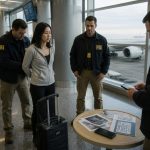
Arrest at LAX and the charge
According to the criminal complaint, FBI agents stopped Zhang at LAX and seized phones and devices as they charged her under statutes that include 18 U.S.C. § 951 for acting as an unregistered foreign agent. FBI Director Kash Patel made the bureau’s point bluntly: “Foreign adversaries take note: America is no longer a safe place to run your espionage operations.” First Assistant U.S. Attorney Bill Essayli added that Zhang “used tradecraft to avoid detection” and failed to notify the Attorney General, as the law requires. Plainly put: the federal government is treating this as counterintelligence, not a garden‑variety misdemeanor.
What the complaint alleges
Prosecutors say Zhang traveled to Seattle in 2025 and, at the direction of People’s Republic of China officials, filmed and photographed the home, vehicles, and license plates of a U.S.‑based relative of Taiwan’s president — reported by some outlets to be Ting‑Yu Lai. Investigators point to WeChat messages, iCloud records, and messages that read “I am videorecording,” and describe steps the accused allegedly took to hide activity, like using AirDrop for transfers. These are allegations in a criminal complaint and must be treated as such, but they are detailed and specific enough to raise real alarm bells.
Why this matters for national security
This isn’t the usual influence‑operation drama or online trolling — it’s alleged on‑the‑ground surveillance of a political leader’s family inside the United States. If the PRC truly sees relatives of foreign officials as leverage points, as the affidavit suggests, then protecting those people becomes a direct national‑security interest for America. Credit where it’s due: Director Patel and the FBI deserve notice for acting; but we also need clearer rules, tougher enforcement, and better privacy and tech cooperation so foreign spies can’t use consumer apps and cloud backups as their operational toolkit.
What to watch next
The case will proceed in federal court in Los Angeles, where initial appearances and any charging papers will shed more light on the evidence. Expect the DOJ and the FBI to release formal statements and prosecutors to press the gravity of the charges. Congress should also take note and stop treating China as merely a trade rival — this is an intelligence problem that demands policy answers. America can and must be tough on foreign espionage while keeping its own legal guardrails intact; otherwise, we’ll keep getting surprised by stories that should have been prevented.