Staff Reports
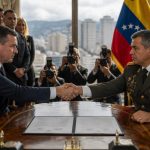
Mayor Zohran Mamdani and Police Commissioner Jessica Tisch just announced they will disband the NYPD’s Strategic Response Group (SRG) and hand many of its duties to a new civilian‑led division. The move is being sold as a victory for First Amendment rights and “de‑escalation.” It also produced immediate fury from police unions — a predictable reaction when a mayor swaps hard, trained capacity for talking circles and theory.
The announcement: what Mamdani and Tisch actually said
The mayor and commissioner say the SRG will be dissolved and its functions split among several new and existing units. Protest engagement will shift to a Community Dialogue and De‑escalation Division that will operate without weapons or arrest powers, while a tiny NYPD First Amendment Support Team — reportedly about 30 uniformed officers — will handle logistics. Counterterrorism duties are to move to the Intelligence and Counterterrorism Bureau, and a Patrol Support Division will back up crowd management. Officials insist roughly 500 SRG officers will be reassigned rather than cut.
Why police unions erupted — and what they fear
Police Benevolent Association President Patrick Hendry and Detectives’ Endowment Association President Scott Munro blasted the plan as dangerous and politically motivated. Their gripe is simple: dismantle a specialized, heavily trained unit that handled violent unrest and some counterterrorism tasks, and you risk slower, muddled responses when chaos hits. The unions pointed to the same‑day shooting of two Co‑op City public‑safety officers as a grim reminder that violence doesn’t pause for policy rollouts — even if officials say the incidents are unrelated.
Operational questions the press release didn’t answer
“We’ll maintain readiness” is reassuring until you ask for the spreadsheet. How will the city measure response times, retrain reassigned officers, and ensure counterterrorism capabilities remain sharp when responsibilities are scattered? Who signs off on new rules about pepper spray and long guns during demonstrations, and how will commanders deploy resources during a simultaneous terror threat and large protest? These are not partisan quibbles. They are the difference between controlled crowd management and a messy firefight where detectives get pulled off murder probes to plug gaps in protest coverage.
Politics, public safety and the final test
This is political theater dressed as reform. Protecting civil liberties is important, but it can’t be an excuse to strip away proven tools without clear, public metrics showing equal or better outcomes. Mayor Mamdani campaigned on change; now he must prove that change won’t cost New Yorkers their safety. The smart move is transparency: release the operational memos, timelines, redeployment plans and benchmarks for success. If this overhaul works, fine — the city will be safer and the critics can eat crow. If it fails, the unions will be right, and voters will remember who signed the memo.