Staff Reports
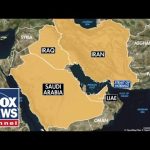
Recently, the Strait of Hormuz has become a hot topic in the world of international relations, and not in a good way. Chief National Security Correspondent Jennifer Griffin has shed some light on this situation, which is raising eyebrows and possibly blood pressure levels among those paying attention. It seems that Iran is playing a tricky game with shipping traffic, claiming that this vital waterway is effectively closed, even though the Pentagon and the White House have different things to say.
What’s the scoop? Reportedly, only five ships made it through the Strait of Hormuz on a recent Wednesday, taking a route usually bustling with activity. Imagine a busy highway suddenly turned into a deserted road—before the conflict, over 130 ships would typically pass through each day, many without paying a single toll. In a twist, it turns out the few ships that did manage to cross recently may have received special permission from Iran and might even have had to pay a fee to do so. In a case of hitching a ride on a road trip, it seems that if you want to cruise through Iran’s waters, you better be prepared to cough up some cash.
According to reports, Iran has decided to limit the number of vessels crossing the strait to only 15 each day. That’s a significant reduction that could spell trouble for trade and oil prices around the globe. And just when you thought negotiations might bring some relief, Iran’s deputy foreign minister stepped up to rain on that parade by stating there won’t be a ceasefire unless Israel stops striking Lebanon. It sounds like Iran is wielding the Strait of Hormuz as a bargaining chip, and from the looks of it, their strategy includes keeping this key maritime corridor under tight control.
Interestingly, while Iran claims this area as its territorial waters, the Strait of Hormuz is not entirely within their domain. This has caused some confusion regarding whether Israel’s actions against Iranian proxy groups in Lebanon are in violation of any ceasefire deal. Unsurprisingly, the crux of the situation resonates much like a messy game of telephone, leading to conflicting interpretations and potential misunderstandings.
On the side of the U.S., there are whispers of new negotiations on the horizon, with some suggesting a partnership where the U.S. and Iran might even pool their resources to charge tolls for passage through the strait. Can you imagine a joint venture where everyone pays up? Yet, with no face-to-face negotiations having taken place, it’s hard to tell if this idea is just a pipe dream or a realistic proposition.
As tensions continue to mount, one thing is clear: the Strait of Hormuz is becoming a critical focal point in negotiations, with Iran holding a hefty amount of leverage. Whether these moves are strategic calculations or merely posturing remains to be seen, but one can bet that the world will be keeping an eye on how this maritime game unfolds.