Staff Reports
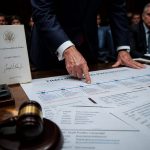
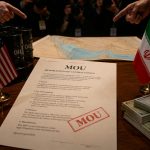
Pope Leo XIV publicly praised the newly announced memorandum of understanding between the United States and Iran, calling the stop to open hostilities and the reopening of the Strait of Hormuz an “encouraging result of patient work in dialogue and negotiation.” The pope’s congratulations landed in the middle of a rare public spat between the Holy See and the White House, and it instantly raises questions conservatives should ask: Is this a real, verifiable peace or another headline-friendly pause that leaves American interests exposed?
Pope Leo XIV’s Praise Matters — But So Does Precision
The pontiff’s post on his platform praised the deal as a step toward mutual trust, security and stability in the Middle East. That kind of moral endorsement from the Vatican can help calm international opinion and encourage other nations to support enforcement. Still, a pope’s blessing is not a substitute for details. A memorandum of understanding sounds promising in a headline, but it is not the same thing as a binding treaty or a verifiable peace agreement with inspections, timelines, and real penalties for violations.
Why the Strait of Hormuz and Verification Are Crucial
The crux of this deal is the Strait of Hormuz — a choke point for global energy and commerce. Opening it again to safe passage is a big win if it lasts. Conservatives should welcome a return to calm, because war is costly and risky. But welcome should come with caution. Tehran has a long record of breaking promises and using pauses to regroup. Washington must insist on verification mechanisms, tangible security guarantees, and clear consequences if Iran backslides. Praise without teeth is just prayerful optimism.
Politics, the Vatican, and the White House Spat
It’s worth noting that President Trump and Pope Leo XIV publicly clashed earlier this year after the pope criticized the war. President Trump fired back sharply, so this show of support is politically interesting. Vice President JD Vance met the pope at the Vatican last month, which suggests the administration has taken the Vatican’s influence seriously. Fine — everyone should try to build bridges. But don’t confuse friendly photos and papal tweets for a replacement of sound conservative foreign-policy principles: deterrence, accountability, and American strength.
In short, conservatives should cautiously applaud any real steps that bring Americans home and reopen the Strait of Hormuz. But applause should be matched by vigilance. Demand clear terms, verification, and an unambiguous plan for enforcing the agreement. The pope’s praise is welcome — it adds moral weight — but it should not let anyone forget that peace must be built on facts, not just feelings. If this memorandum is the start of durable peace, credit those who negotiated it. If it’s a temporary pause, make sure America is ready with the leverage to keep Iran honest.