Staff Reports
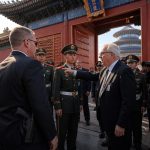
President Donald Trump’s whirlwind trip to Beijing this week came back with bold claims from the White House: wins on Iran and trade, a pledge that the Strait of Hormuz “must remain open,” and a promise from President Xi Jinping that China will not arm Iran. Those are big headlines, and they should be — if they hold up. The problem is simple: the U.S. readout says one thing, and China’s official summary reads a lot more politely. Translation: celebrate cautiously, verify loudly.
What Trump Says He Won
The president walked away saying he secured important assurances. He told reporters that Xi “said he’s not going to give military equipment” to Iran and that both leaders agreed the Strait of Hormuz must stay open for the free flow of energy. On trade, the White House said China showed interest in buying more U.S. oil, soybeans and aircraft, and that economic teams achieved “balanced and positive outcomes.” Those are the kind of claims a president wants to make after a big summit — they sound decisive and good for American workers and energy security.
Readouts Don’t Match — Proof Still Pending
Here’s the kicker: China’s official readout did not repeat the Iran or Hormuz language in the same blunt way. Beijing described a “new vision” and “balanced” economic outcomes, but it did not echo the U.S. pledge about arms to Iran or list firm purchase commitments. That matters. In diplomacy, words on camera are nice, but actions and written agreements are what protect Americans. So until we see written language, shipping behavior that changes, or signed contracts, callers at the podium should expect the press to ask, “Where’s the paperwork?” — and they should keep asking.
Trade Promises Are Promises, Not Contracts
Let’s be clear: getting Chinese leaders to say they’re open to buying more U.S. energy and farm goods is useful. Having American CEOs on the trip shows real intent to open markets. But expressions of interest are not the same as legally binding deals. Any real trade wins will need contracts, export approvals, and oversight by U.S. agencies that guard national security. Conservatives can cheer progress toward fairer U.S.-China relations, but we should also insist those promises turn into real jobs, real exports, and real inspections — not just photo ops and hopeful headlines.
What Comes Next
This summit can be a genuine win if Washington holds Beijing to its words. That means demanding written commitments, monitoring tanker traffic in the Strait of Hormuz, and watching for concrete purchase orders and investment flows. It also means Congress should stay involved on any national-security implications. President Trump deserves credit for getting Xi to the table and for pushing for American interests. But diplomacy isn’t applause lines — it’s results. So here’s the conservative playbook: applaud progress, insist on proof, and don’t let rhetoric replace real enforcement. Call the tanker captains, call the farmers, and then call me when the contracts arrive.