Staff Reports
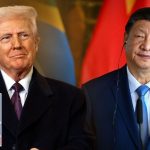
President Donald Trump just turned up the heat on two very different trouble spots at once — telling Iran “the clock is ticking” while the U.S. Navy tightens its grip on the Strait of Hormuz, and wrapping that message into a high-stakes, historic visit to China that has Taipei watching every move. This isn’t foreign policy by press release; it’s posture with consequences. Ordinary Americans will feel those consequences in gas prices, the safety of sailors, and the steadiness of markets that people rely on.
Trump’s warning to Iran: blunt and calculated
“The clock is ticking.” Short sentence. Big meaning. When a sitting American president uses that line, it’s meant to land with the Iranian leadership and with friends and foes who are watching to see whether Washington means what it says.
The U.S. Navy’s stepped-up presence in the Strait of Hormuz isn’t theater; it’s a real, costly posture to keep oil moving and shipping lanes open. For drivers and small businesses in this country, that maritime pressure is the difference between steady pump prices and another spike that hits household budgets.
Taipei’s cautious reply to a historic China visit
A trip to Beijing by President Trump — historic or otherwise — forces Taiwan into an uncomfortable balancing act. The island’s leaders can’t cheer a rapprochement that might leave them exposed, so their public response has been cautious praise for stability and quiet reminders that Taiwanese security matters.
That’s not abstract. For families in Taipei, the threat is immediate: conscription, missile drills, and the economy. When leaders trade big-power signals, ordinary people feel the ripple effects in food prices, job security, and the sound of low-flying military aircraft.
Why the Strait of Hormuz still matters to Main Street
Half the world’s seaborne oil passes through that narrow waterway. When geopolitics heats up there, your grocery bill and commute feel the burn. The Navy’s convoying and surveillance are expensive, but so is inaction — and history shows that unguarded commerce invites coercion.
Beyond dollars, there’s a human cost. Sailors and Marines are being sent into tense waters. Families back home know the math: more patrols means greater risk. That’s the stake — not press-gaggle drama, but parents waiting on a phone call.
Don’t confuse toughness with recklessness
It’s fair and necessary to ask what we’re trying to accomplish. A warning to Tehran without a clear, credible follow-through is just theater; a show of force without political strategy risks dragging Americans into a headline we didn’t choose. Conservatives who love this country should want both strength and restraint — not finger-pointing or open-ended missions that eat budgets and lives.
So here’s the hard question for Washington: can we combine deterrence with strategy so that our sailors aren’t just standing watch, but working toward a real, durable outcome? That’s what voters deserve to know before the clock runs out.