Staff Reports
Tensions are flaring in the Middle East as Iran tightens its grip on the Strait of Hormuz, a vital waterway that handles about 20% of the world’s oil exports. Despite ongoing negotiations, the Iranian regime is showing a willingness to escalate the situation rather than ease its military posturing. The recent events in Beirut have added fuel to the fire, prompting a stern response from leaders on both sides who seem ready to dive into deeper conflict. The stakes have never been higher, but so too have the complexities of diplomacy in the region.
As international discussions unfold in Islamabad, Pakistan, Vice President JD Vance is leading a U.S. delegation aimed at navigating these turbulent waters. Meanwhile, President Trump took to social media with a pointed warning for Iran, mentioning that U.S. military assets, including ships and aircraft, will remain on high alert until a real agreement is reached. This kind of firm language has become essential as the tensions between Iran and Israel bubble over, especially following the aftermath of significant Israeli military action against Hezbollah forces.
In the wake of these acts, Israel remains resolute. Prime Minister Benjamin Netanyahu has indicated that his government is prepared to escalate military actions if necessary, emphasizing that the nation’s objectives will be met, either through diplomatic means or renewed fighting. With reports of hundreds of Hezbollah combatants reportedly taken out by recent airstrikes, the tension between nations is palpable. Many are watching closely to see if Iran will budge in negotiations or consider their next moves.
In this increasingly dangerous game of chess, Iran’s threats to abandon talks if Israeli strikes continue have significantly ramped up the intensity. Despite claims that they are open to ceasefire negotiations, various Iranian officials have contradicted statements about adherence to agreements regarding uranium enrichment. This inconsistency begs the question of whether Iran is truly willing to compromise, or if they are merely maneuvering for leverage at the negotiating table.
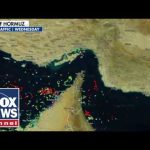
One of the main sticking points remains the Strait of Hormuz itself. The narrow passageway, only 22 miles wide at its narrowest point, is controlled by Iran on one side and Oman on the other. This strategic location allows Iran to dictate shipping routes and potentially threaten vessels that dare to follow their routes. There have even been reports suggesting that Iran might impose tolls on vessels passing through, a bold move that underscores their desire to assert control over a critical global trade route. With mines and missiles in their arsenal, Iranian forces could easily disrupt shipping, potentially sending shockwaves through global markets.
As discussions unfold in Islamabad, all eyes are on the Strait of Hormuz. The outcomes of these negotiations could very well determine the future of both Middle Eastern peace and global energy security. Will Iran step back from the brink, or will they double down on their aggressive strategies? Only time will tell, but with so much at stake, the world continues to hold its breath, hoping for a resolution that averts further conflict.