Staff Reports
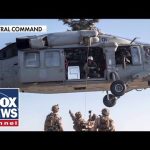
In recent developments regarding U.S. foreign policy, the U.S. Navy is making waves—literally—by maintaining a blockade of Iranian ports. Reports indicate that this blockade, which went into effect at 10 a.m. Eastern Time on a recent Monday, has successfully turned away multiple ships, including those from Iran and China. President Trump is asserting that this strong stance is working, and it appears to be the centerpiece of his strategy to rein in Iran’s nuclear ambitions while promoting peace in the Middle East.
Amidst the naval maneuvers, negotiations might be heating up between Iran and the United States. President Trump has emphasized that the goal is clear: no nuclear weapons for Iran. The president suggests that Iran is showing more willingness to negotiate today than it did just a couple of months ago. Meanwhile, the diplomatic landscape is also evolving across other borders, namely with Israel and Lebanon, who have announced a 10-day ceasefire, facilitated by the efforts of the U.S. State Department.
Retired four-star general and strategic analyst, General Jack Keane, provides insights that shake up the traditional understanding of this ceasefire. While the ceasefire seems promising, General Keane raises an eyebrow at Lebanon’s ability to control Hezbollah, the powerful militant group that has been firing thousands of rockets at Israel. With Iran still exerting influence over Hezbollah, the general notes that while negotiations are ongoing, the risk of renewed hostilities remains high. It’s a tricky situation: Israel desires to dismantle Hezbollah while also navigating the tricky waters of international diplomacy.
Back to the blockade, it’s becoming clear that this strategy has given the U.S. significant leverage over Iran. General Keane highlights that Iran’s economy is heavily dependent on oil exports passing through the Strait of Hormuz. Should the blockade continue, it could lead to dire economic consequences for Iran. The general insists that the U.S. must keep pressing Iran with pressure tactics, making it clear that any future negotiations should fall heavily in favor of American interests. The U.S. should not hesitate to “put our terms on the table,” according to him.
In the grand chess match of international relations, General Keane believes that the U.S. is holding all the cards. He argues that the current moment is crucial and that the pressure on Iran needs to be relentless. He warns that extending deadlines for negotiations could give Iran a chance to regroup and seek more favorable terms. For now, it seems that the military and economic strategies being employed could either force Iran into a corner or simply delay a larger confrontation.
As the geopolitical situation continues to unfold, a clear message is being relayed: the U.S. is not backing down. With the Navy actively enforcing the blockade and the diplomatic channels buzzing with talks, it is a time for watching and waiting. The world is looking on as the balance of power shifts, and how the story plays out in the weeks ahead could set the stage for a significant turning point in Middle Eastern relations. Whether peace can be struck or whether there will be further conflict remains to be seen, but one thing is certain—this is one heated game of diplomatic poker.