Staff Reports
When a sitting Mexican senator walks across the border and handcuffs himself to the rule of U.S. law, it is more than a news item — it’s proof that the cartels have long since stopped being mere criminal gangs and have become an enterprise that eats the state from the inside. Senator Enrique Inzunza Cazárez, tied to the Sinaloa Cartel in U.S. indictments and now in DEA custody in San Diego, is the latest example of how deep that rot runs.
Senator Arrested in San Diego: What We Know
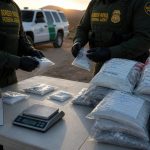
Senator Enrique Inzunza Cazárez, a member of Mexico’s ruling party, is accused in U.S. court filings of conspiring to import narcotics and of possessing machine guns and destructive devices. The Sinaloa Cartel faction Los Chapitos shows up by name in the documents. Reports say he turned himself in to U.S. federal agents — an odd move for someone allegedly cozy with cartels unless he’s cutting a deal or his options ran out. Either way, this is not small-time corruption; it is a senior official accused of working with traffickers to move drugs into American communities.
Border Security, Corruption, and U.S. Policy
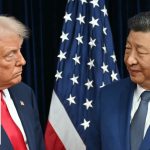
This arrest drives home a simple point: cartel power is not limited to jungle hideouts and river smuggling. It reaches into statehouses. When governors, senators, and business figures are accused alongside cartel leaders, U.S. border policy cannot be limited to fences and patrols alone. President Trump’s law-and-order stance — backing strong enforcement, extraditions, and targeting cartel financial networks — looks more relevant than ever. The U.S. must keep pressure on traffickers and the officials who shield them, while also beefing up cooperation where it’s honest and effective.
Why We Shouldn’t Kid Ourselves
Cartels are quasi-governmental enterprises in parts of Mexico. They bribe, intimidate, and sometimes replace public institutions. That means the fight is as much political as it is law enforcement. If American cities are to be safer and our border more secure, we need to go after the money, the guns, and the corrupt officials who turn a blind eye. We should applaud agencies that do the hard work — DEA, SDNY prosecutors, and others — and push for more decisive action when governments tolerate or enable criminal networks.
Senator Inzunza Cazárez’s trip to a San Diego court should shake any complacency about the southern border. It’s a reminder that cartels corrupt from the ground up and from the top down. The answer isn’t wishful thinking or weak prosecutions at home; it’s relentless enforcement, smart diplomacy, and cutting off the lifelines of drug trafficking. Let’s not pretend the problem is someone else’s to fix — it’s ours, and it’s time to act like it.