Staff Reports
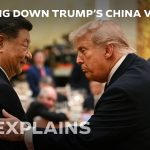
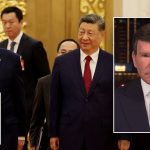
Secretary of State Marco Rubio was blunt aboard Air Force One: China is the United States’ top geopolitical challenge, and the Trump–Xi summit in Beijing is where a lot of delicate business gets done — chips, rare earths, Iran, Taiwan and trade. This isn’t a photo‑op. It’s a chessboard with real stakes for American factories, energy prices and national security.
Chips versus rare earths: who holds the leverage?
The summit reads like a supply‑chain scorecard. Washington holds the advanced semiconductors card — export controls and allied bottlenecks that can slow China’s AI and weapons ambitions — while Beijing still controls most of the rare earths critical to electric vehicles, wind turbines and guided missiles. That concentration isn’t theoretical: analysts warn something like $1.2 trillion of U.S. economic activity depends on industries tied to those minerals.
Translation for ordinary Americans: if Beijing decides to squeeze rare‑earth exports, your carmaker, phone maker or local factory could feel it — and so could the defense contractor that keeps our troops equipped. We can lecture about diversification all day, but miners and manufacturers need concrete policy and investment, not pep talks.
Rubio’s ask: get China to lean on Iran
Rubio didn’t just warn about theft of technology and trade imbalances — he publicly urged China to use its leverage over Tehran to stop harassing shipping in the Strait of Hormuz. He stressed the U.S. wants engagement, not dependence: “we’re not asking for China’s help in a way that suggests we’re weak,” he said, but Beijing has influence Tehran lacks with other Western capitals.
Why this matters at home: when tankers are threatened, shipping reroutes or slows, and Americans end up paying at the pump. The government can juggle diplomatic language, but families balancing budgets and businesses managing imports only know one thing — instability costs them money.
A transactional summit, business suits and a diplomatic wrinkle
This trip isn’t just diplomats in rooms — it’s President Donald Trump bringing a business caravan with names like NVIDIA CEO Jensen Huang, Tesla and SpaceX CEO Elon Musk, and Apple CEO Tim Cook. Expect pragmatic, narrow deals: tariff pauses, limited trade assurances, maybe some wording on energy flows and shipping in the Gulf. That’s how you get deliverables; grand strategic realignment rarely happens over hors d’oeuvres.
One eyebrow‑raiser: Rubio traveled despite previous Chinese sanctions against him — a reminder that diplomacy can be messy when politics meet statecraft. For the small parts supplier in Ohio or the mid‑sized mine trying to get permits to process rare earths, those messy diplomatic decisions either open markets or leave them stuck waiting for policy to catch up.
Here’s the bottom line: managing China means hard choices — secure our chip supply, build rare‑earth processing at home, enlist allies and use diplomacy to make Beijing choose between commerce and bad actors like Iran. Soft words and hopeful headlines won’t protect factories, lower gas bills or stop the next tech theft. Which is it going to be — a long game to rebuild American resilience, or another short deal that leaves our vulnerabilities in place?