Staff Reports
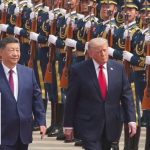
The Beijing summit between President Trump and President Xi was supposed to be a tidy face‑to‑face moment to reset U.S.-China ties. Instead, it offered more theater than transformation. Both leaders put on a show of calm, but the real story is who actually has leverage on issues like Taiwan, trade, and regional security. Spoiler: America still has cards to play, if we use them instead of admiring our own hand.
Who left the summit with the upper hand?
On camera, President Xi and President Trump looked like two chess players who both learned a few new openings. Off camera, the balance is messy. China needs markets, technology, and foreign capital to keep its slowing economy from tipping into real trouble. The United States still controls the high-end chips, dollar finance, and alliance networks. But China also has leverage: manufacturing muscle, key rare-earths, and a willingness to play a long game. The truth is neither leader left Beijing with everything they wanted — which is exactly how diplomacy should work.
Taiwan and regional security: deterrence matters
Taiwan was a clear fault line in these talks. President Trump couldn’t (and shouldn’t) promise to change U.S. support for the island. Strong deterrence, clear lines with allies, and continued military readiness are how you keep the peace. Soft talk and wishful thinking won’t stop coercion. If China thinks the U.S. will blink, it will press harder elsewhere — in the South China Sea, on freedom of navigation, and in cyber theft. We need ironclad commitments that translate into real capability, not just photo ops in Beijing.
Trade, tariffs and the Iran variable
Trade was another headline. America must keep using tariffs, export controls, and smart onshoring to protect supply chains and tech. No more pretending we can rely on today’s global supply chains forever. As for Iran, China’s dealings with Tehran complicate any U.S.-China détente. Beijing’s commercial ties to Iran give it a bargaining chip on Middle East stability. The U.S. should leverage that, not ignore it, while pushing for stronger enforcement on trade rules and intellectual property.
What America must do next
We should walk away from Beijing clear-eyed. Keep tariffs as a tool, expand export controls on advanced semiconductors, and speed up onshoring critical industries. Strengthen alliances in Asia so deterrence is real and not just a press release. Support Taiwan plainly and consistently. Above all, stop pretending diplomacy is a one-night fix. The summit offers a pause, not a pardon. If President Trump wants a lasting win, he should use America’s real strengths — economy, tech, and alliances — rather than chasing applause in the Forbidden City.