Staff Reports
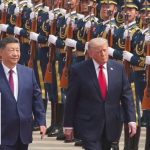
President Donald Trump’s summit with President Xi in Beijing looks like the kind of big, high-stakes networking deal that makes both capitals breathe a little easier — at least on paper. Reporters took away promises about the Strait of Hormuz, Iran’s nuclear ambitions and a renewed spotlight on Taiwan, and that’s worth parsing for anybody who pays their own bills and worries about American power.
What the leaders reportedly put on the table
According to briefings and live coverage, the two presidents touted an understanding to reduce threats to shipping through the Strait of Hormuz — a choke point that if disrupted, rattles global energy markets. They also discussed Iran’s nuclear program, with both sides framing cooperation as preferable to a wider conflict that would drag U.S. forces and regional partners deeper into harm’s way. And, true to form, Beijing reiterated its hard line on Taiwan even as the conversation circled ways to avoid outright confrontation.
“A veiled threat,” Bret Baier warned — and he wasn’t being melodramatic.
When a superpower signals it won’t countenance certain moves while making deals that reduce the incidence of immediate skirmishes, you have to read the fine print. Words like “understanding” and “commitment” sound tidy in diplomats’ readouts, but they can cloak long-term shifts in balance-of-power that ordinary Americans feel in their wallets and in their kids’ future jobs.
Why this matters to you — not just to Beltway types
Disrupt Hormuz and gas prices jump; stall Taiwan and chip supplies tighten — those are blunt, real-world consequences. A single shipping incident can hike the price at the pump, stall deliveries, and squeeze manufacturers who depend on semiconductors. That’s farmers who can’t get parts for their combines, factory workers whose assembly lines slow, and commuters paying more to fill up their cars.
Trump’s playbook: deal first, worry later — with good reason and real risk
This administration prefers transactional bargains: cut a short-term deal that reduces immediate danger and buy time for American power to rebuild. It’s practical, and it can prevent needless escalation. But don’t confuse short-term calm with a secure long-term strategy; China has a record of consolidating gains from negotiated pauses, and the U.S. shouldn’t trade away leverage for headlines.
So here’s the hard question we keep kicking down the road: are we taking a tactical pause with clear safeguards and a plan to sharpen our deterrence, or are we signing up for a quieter world in which American interests erode in exchange for temporary stability? The answer will shape not just policy briefs in Washington, but the grocery bills, paychecks, and peace of mind of working Americans across this country.